-

Sustainable Food Public Procurement in Spain: evidence to date and scaling opportunities
The project analyses existing initiatives in sustainable public food procurement in Spain (SFPP) to provide lessons into where and how to carry out the necessary modifications to achieve their long-term expectation and development in view of sustainability transitions in food systems. To do so, the project provides a database of current SFPP initiatives in Spain,…
-

Sistematización de las Soluciones Basadas en la Naturaleza en España (E:SBN)
Como país especialmente vulnerable al cambio climático, España debe hacer frente a importantes retos, riesgos e impactos a los que debe adaptarse de manera proactiva y reactiva. La falta de recursos hídricos, un aumento de las temperaturas, el incremento en la intensidad y volumen de los episodios de lluvias extremas están generando sequías, escasez de…
-

Payments for Ecosystem Services: long-term Effectiveness and Motivations for the conservation of forest ecosystems (PES-EMOTIVE)
Global biodiversity loss and climate change mitigation are two of the greatest environmental challenges of our time. To partially address such challenges, Payments for Ecosystem or Environmental Services (PES) programs have disbursed billions of dollars of funding to rural communities and landowners in tropical and sub-tropical countries, conditional on the voluntary conservation of standing forests…
-
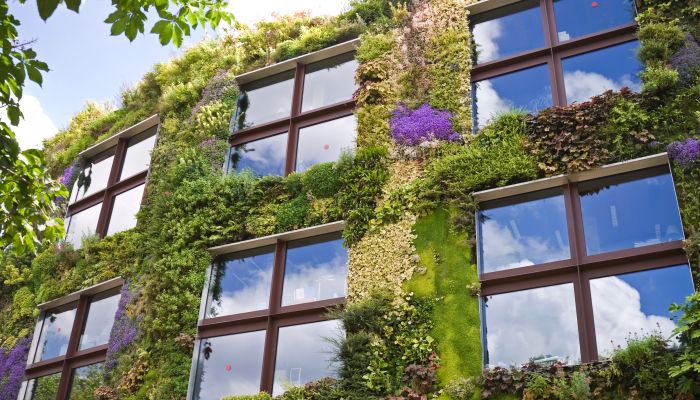
NATure-based Urban innoVATION (NATURVATION)
Nature-Based Solutions (NBS) have the potential to respond to climate change, enhance biodiversity and improve environmental quality while contributing to economic regeneration and social well-being. Yet there is a substantial gap between the promise of NBS and their uptake. To unlock the potential of NBS for sustainable urban development, NATURVATION will take a transdisciplinary, internationally…
-

Nature’s integration in cities’ hydrologies, ecologies and societies (NICHES)
NICHES will contribute to an improved design and management of urban waterscapes by exploring the potential of nature-based solutions to mitigate urban runoff, flooding and sewer overflow events, thereby protecting aquatic biodiversity. Aquatic ecosystems are under increasing pressure from urbanisation, compounded by the escalating effects of climate change. With almost 60% of Europe’s water bodies…
-

Mapping and Assessment of Ecosystem Services in the Province of Barcelona within the Framework of the Territorial Information System for the Open Spaces Network (SITxell)
The main goal of this project is to map and assess ecosystem services in the Province of Barcelona and integrate them in the existing decision-support tool SITxell. This tool is used by the Barcelona Provincial Council to support municipalities in their revision of landscape and urban planning instruments and strategies. Specific objectives include:
-

International cooperation to restore and connect urban environments in Latin America and Europe (INTERLACE)
The INTERLACE project aims to empower and equip European and CELAC cities to effectively restore and rehabilitate (peri)urban ecosystems towards more liveable, resilient and inclusive cities. The project applies an integrative, city-driven approach to address urban challenges through restorative nature-based solutions. A three-tiered mechanism for city and wider stakeholder exchange and learning will strengthen cooperation…
-
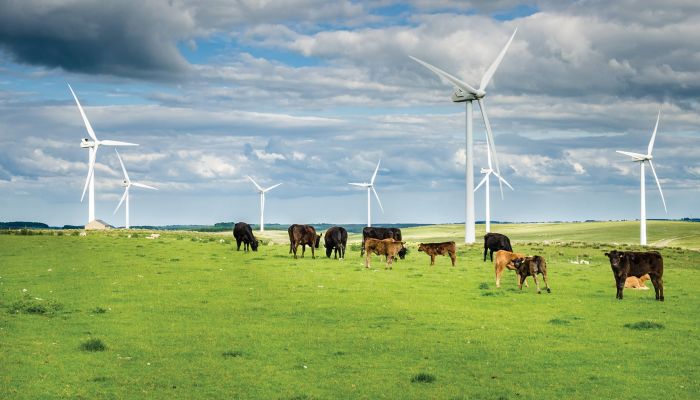
Integrating Valuations, Markets and Policies for Biodiversity and Ecosystem Services (INVALUABLE)
The project’s main objective was to clarify the potential of market-based instruments (MBIs) to better integrate biodiversity and ecosystem services into public policies, based on appropriate institutional arrangements. It developed: INVALUABLE results allowed researchers, decision-makers as well as practitioners to better grasp and clarify the MBI concept and its potential advantages and limits for biodiversity…
-
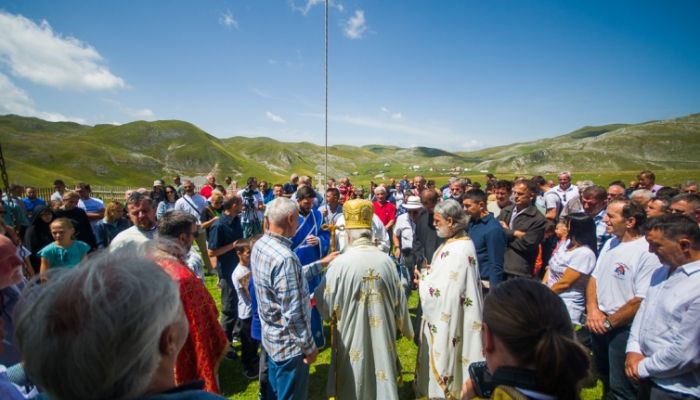
Inspiring rural heritage: sustainable practices to protect and conserve upland landscapes and memories (IRIS)
Europe’s upland landscapes are a rich and complex socio-ecological heritage, born of the interaction of nature and culture over millennia. Local communities play an active and essential role in conserving and protecting this heritage, while benefiting wider society. However, current conservation measures and land use decisions consistently fail to consider the historic dimension of mountain…
-
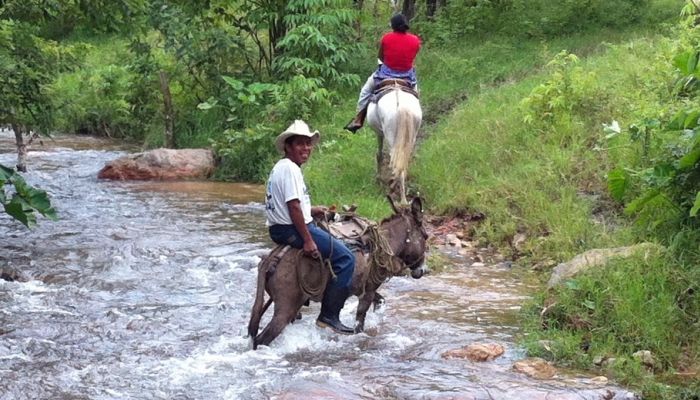
Framing Debates about Poverty Reduction and Ecosystem Services
In an important paper in Science ten years ago Adams and colleagues offered an analysis that clarified the confused debate that had arisen about the relationship between conservation policy and poverty reduction. The value of that paper was to hold up a mirror to a divided intellectual and policy-making constituency. It became a heuristic device…

Research Line: Narratives, Policies, and Projects for the Green Transition
Analysing how environmental governance narratives, policies, and green transition projects (such as urban Nature-based Solutions, agrivoltaics, and PES schemes) are translated, adapted, or resisted across scales, with a focus on social-ecological justice.