Our research
We aim to better understand and promote the resilience of biocultural landscapes, how to effectively conserve biodiversity and ecosystem services, and how to constructively foster critical engagements with environmental data and digital technologies. We adopt an intersectional research approach that pays critical attention to how gender and other social categories (e.g. age, race, generation, economic status) shape environmental governance, institutions, values, and justice-related outcomes.
Human wellbeing and everyday lives in rural landscapes
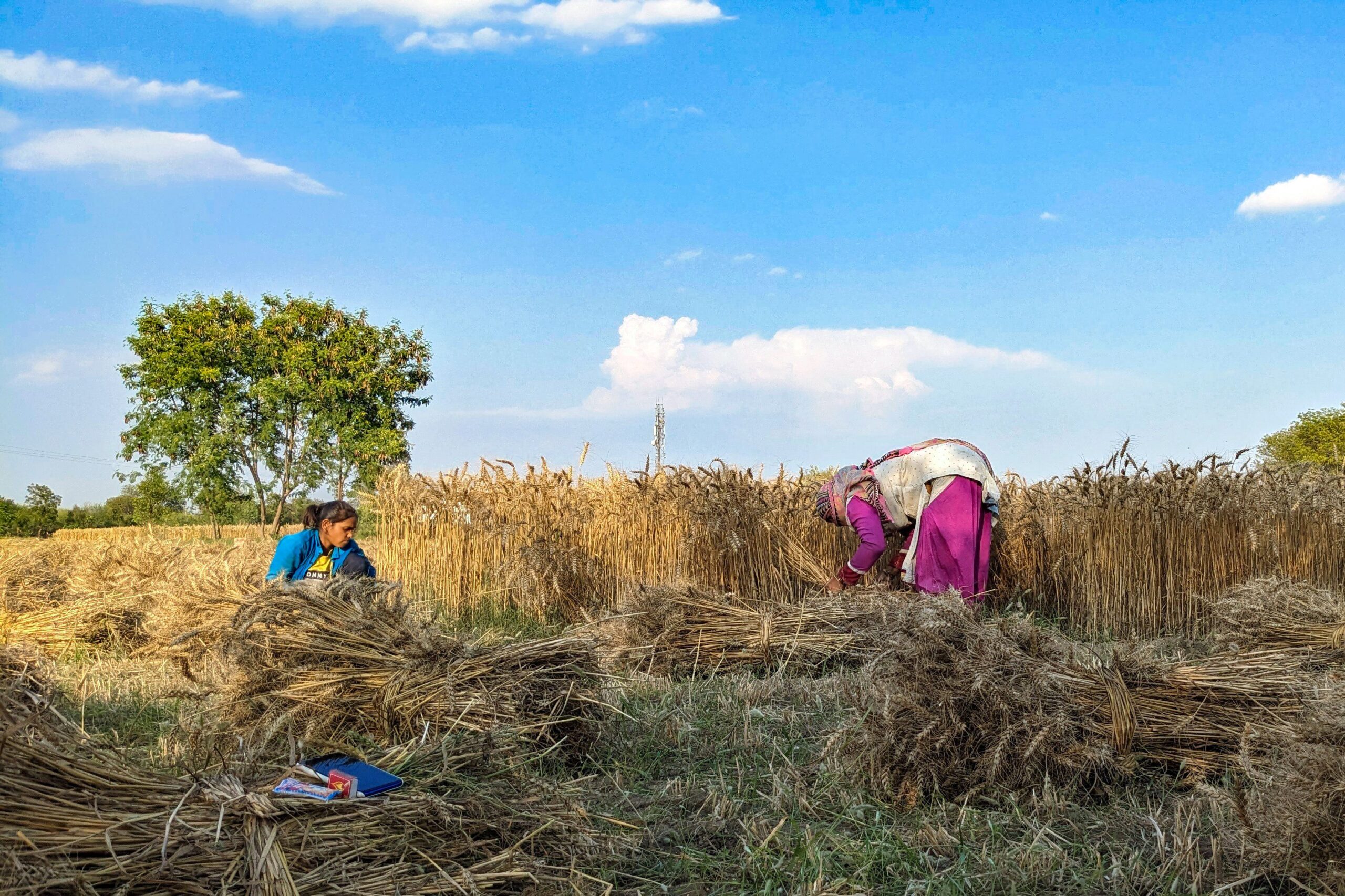
We explore how global (environmental) change influences livelihoods, and how such change affects human wellbeing and transforms people’s lives, including resource management and cultural practices, as well as people’s capacity to adapt, thrive or suffer because of changing conditions.
-
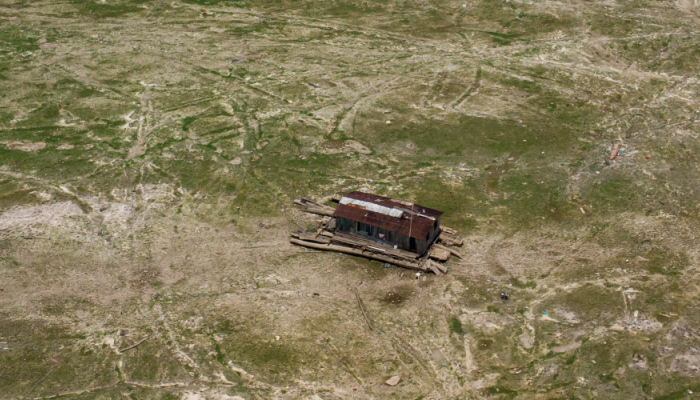
Amazon Droughts
-
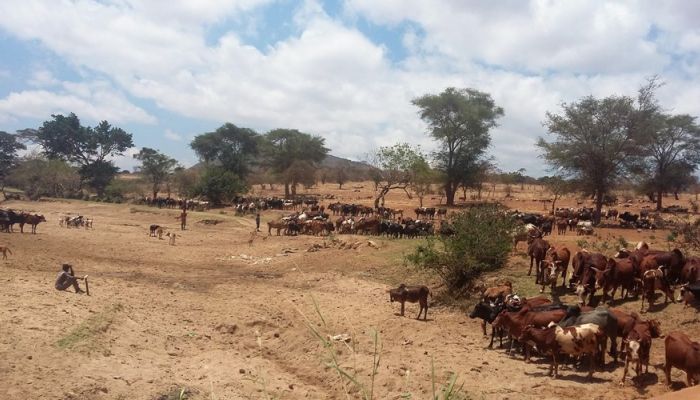
An eco-anthropological study of the customary-based management of pastoral resources among the Wahehe of Iringa in Tanzania
-

Assessing the effectiveness of community-based management strategies for biocultural conservation (COMBIOSERVE)
-

Bio-Agro-diversity of past and present Mediterranean landscapes to face a common future (BioDivMeX WG4)
-
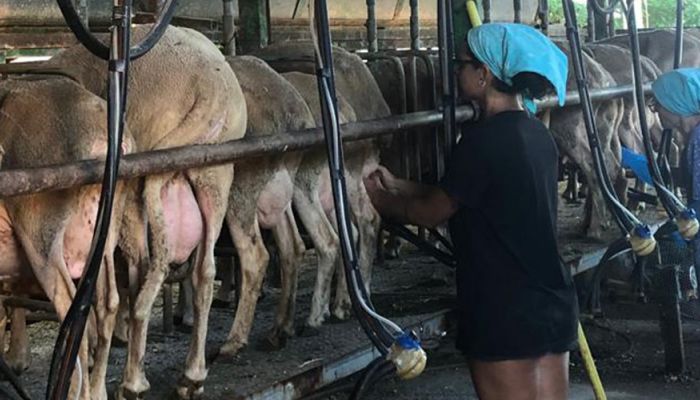
Collaborative conservation and coexistence with wolves through a feminist political ecology lens
-
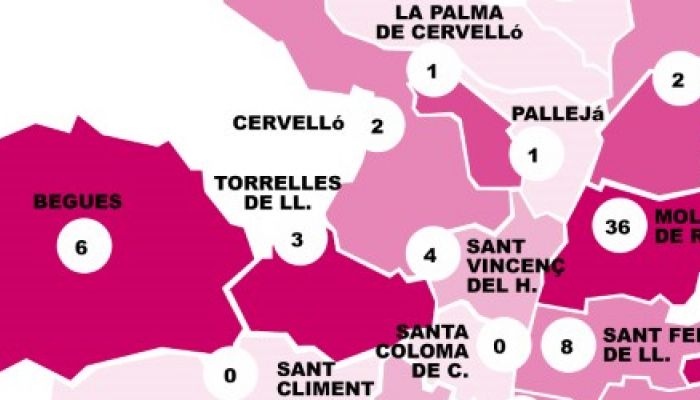
Commons-led coproduction in the Metropolitan Area of Barcelona: experiences and learning at territorial level
-
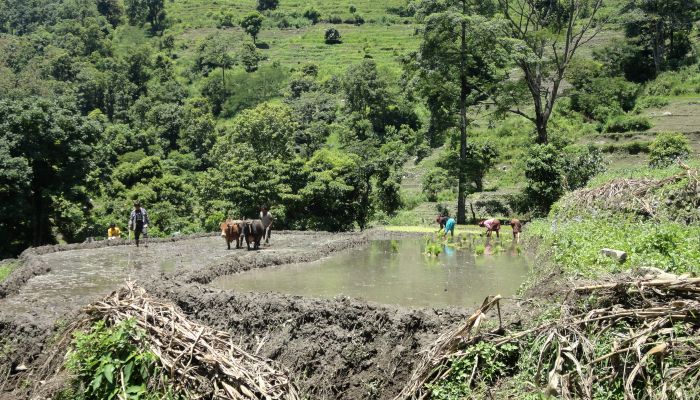
Conflict and Cooperation over REDD+ in Mexico, Nepal and Vietnam
-

Construction ahead
-
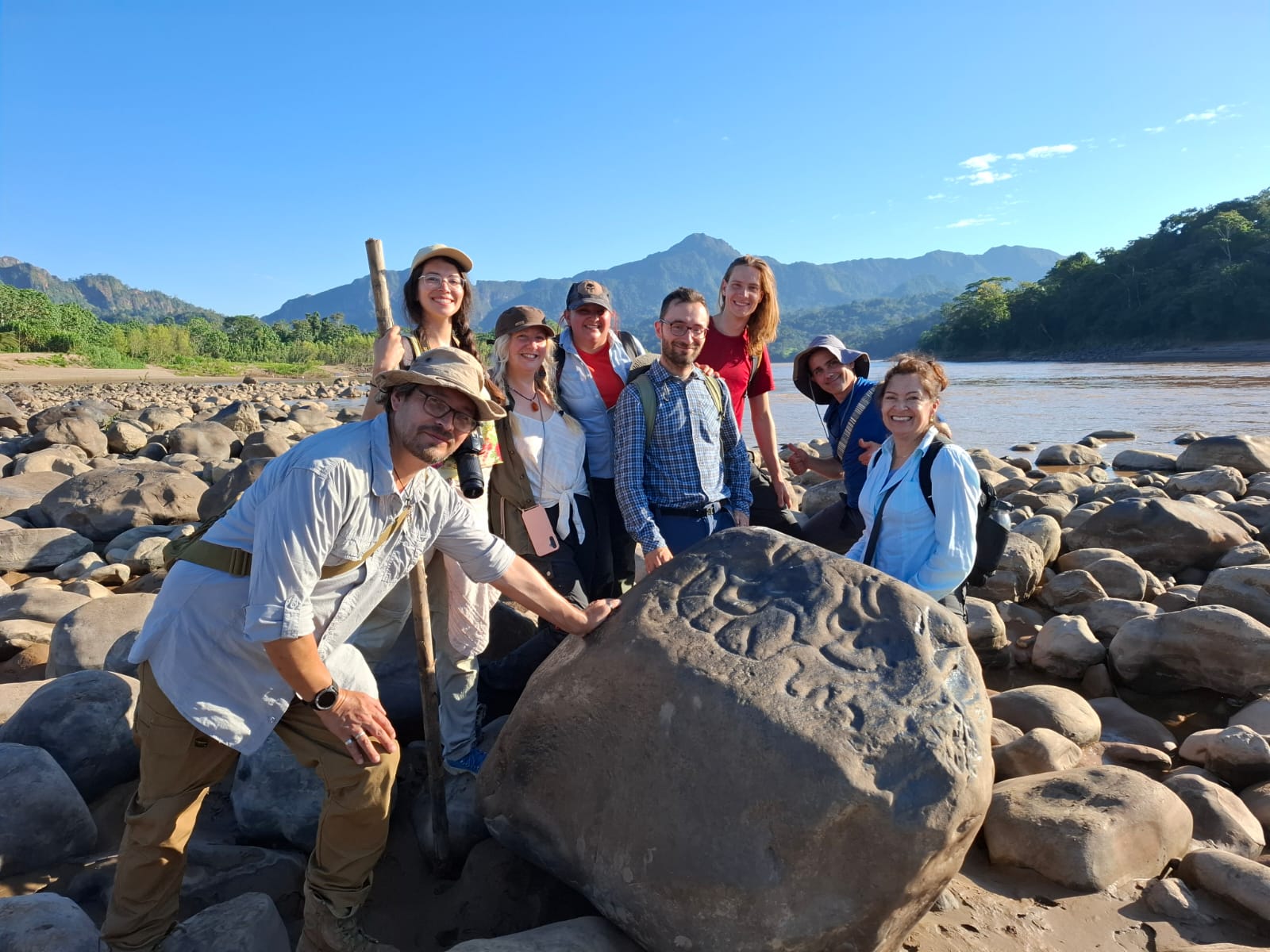
IEK-CHANGES
-
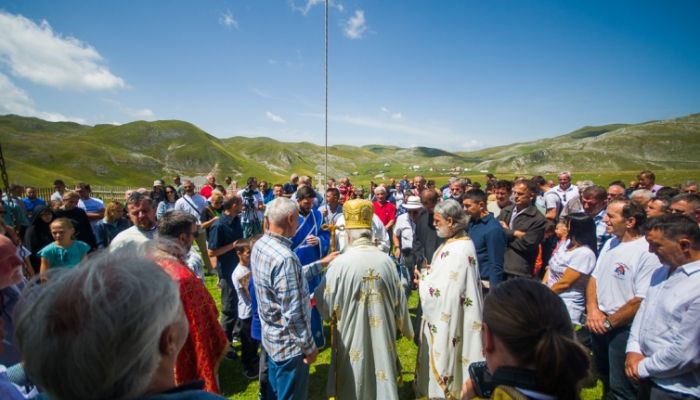
Inspiring rural heritage: sustainable practices to protect and conserve upland landscapes and memories (IRIS)
-
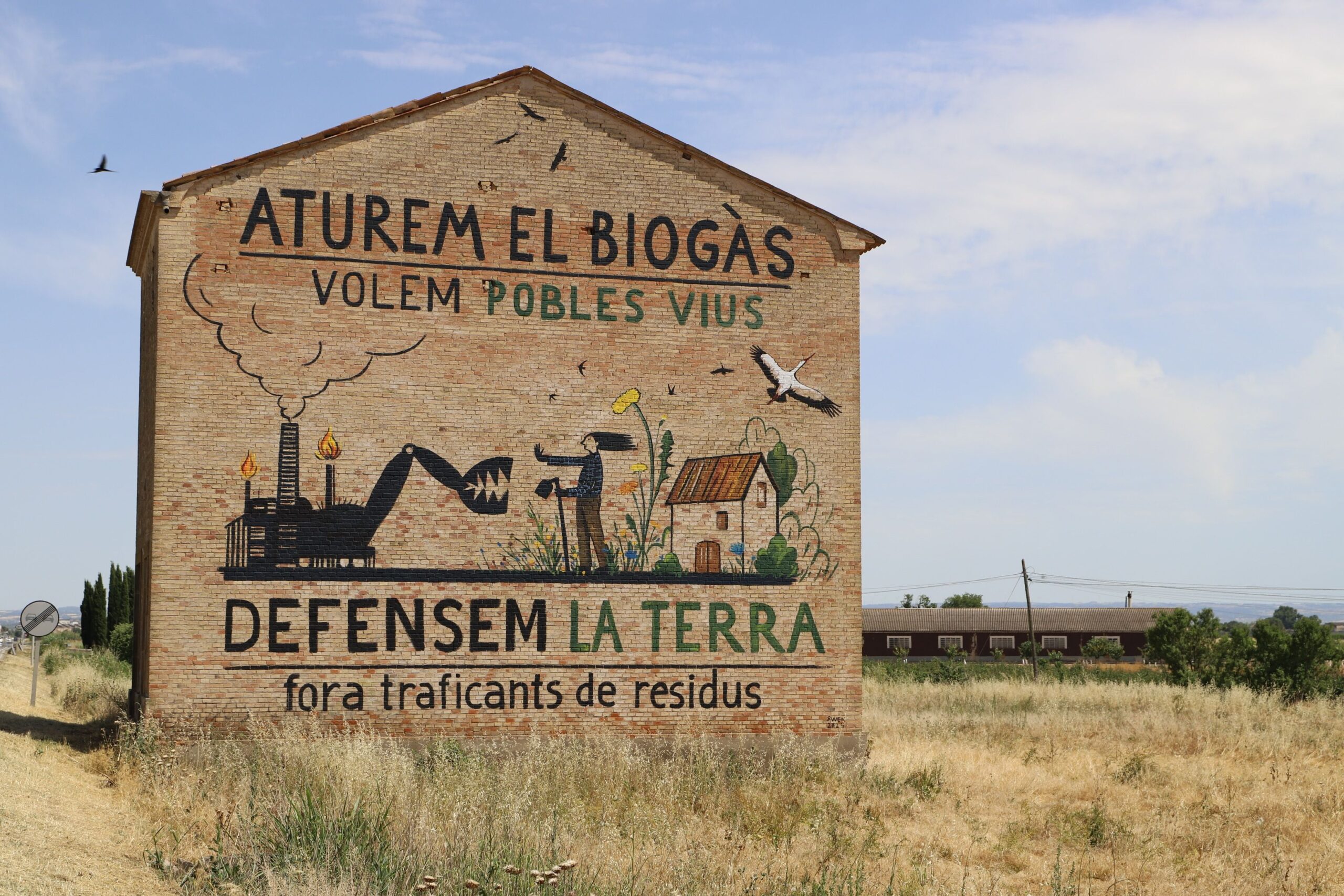
Land and life in the Anthropocene: Landscape reform (LAND)
-
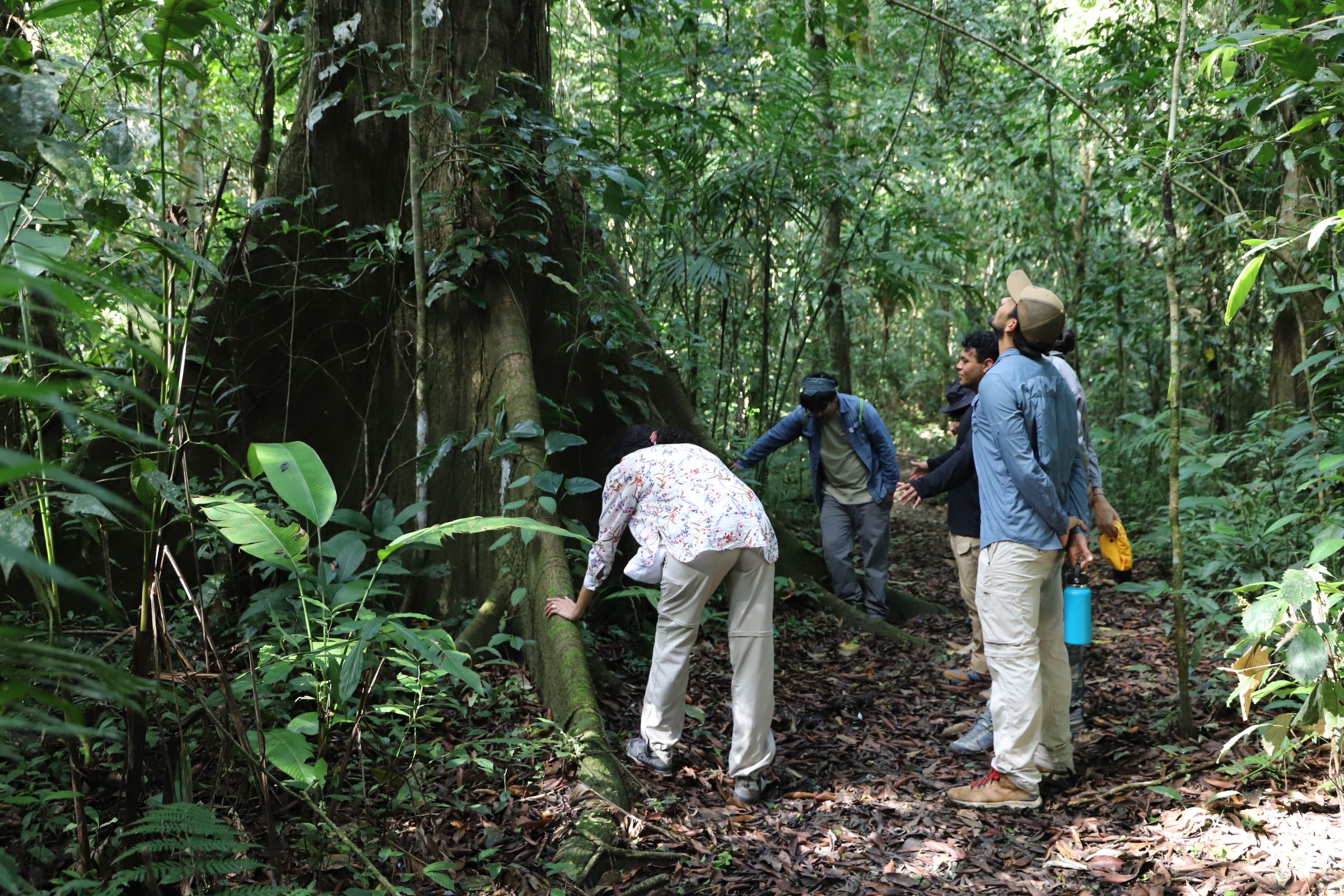
Navigating Implementation Challenges in Mexico’s Payments for Ecosystem Services (PES) Programs
-
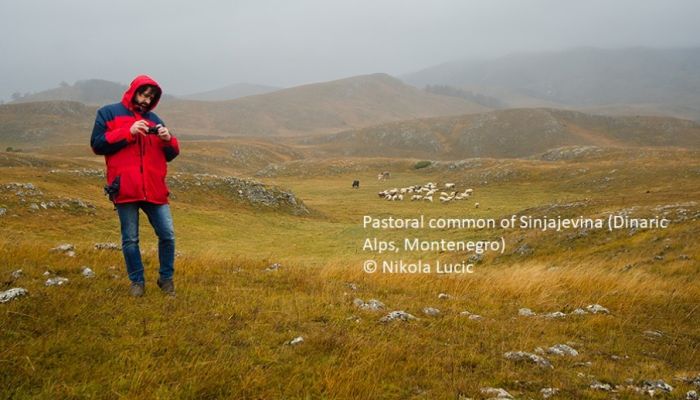
Pastoral Commons in the Montenegrin Mountains and processes of Heritization (COMPAS-MED-PAT)
-
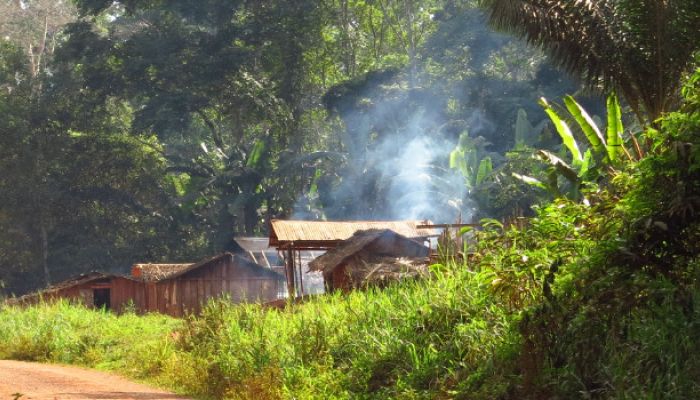
Resilience of Indigenous Peoples’ Health care system
-
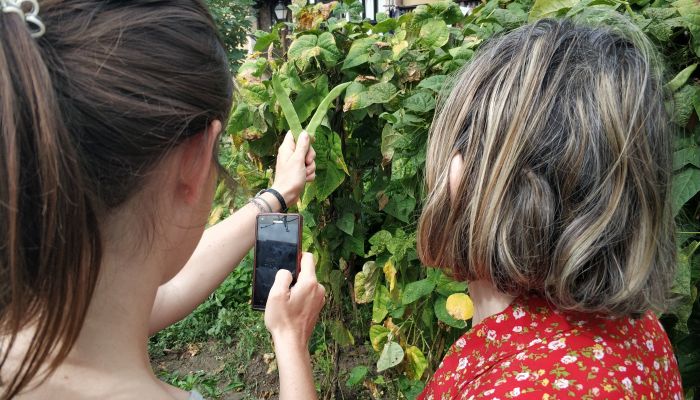
Sharing Traditional Ecological Knowledge (CONECT-e)
-
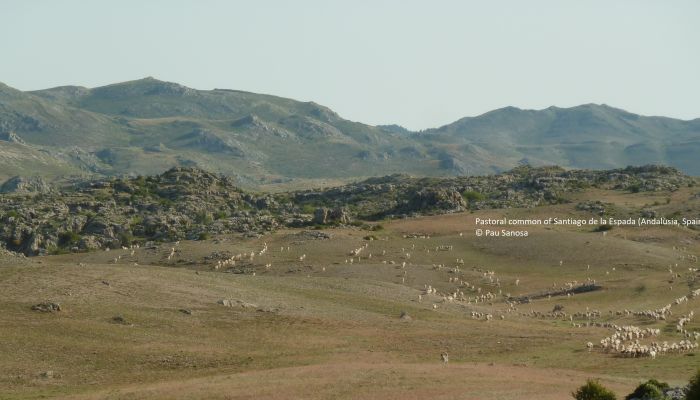
Socio-Ecological Heritization of ICCAs in Spain and Morocco (HERICCA)
-

Socio-Ecological Heritization of Indigenous People and Community Conserved Areas in Taita hills, Kenya
-

The adaptive nature of culture (LEK)
-

Tsimane’ Amazonian Panel Study (TAPS)
-
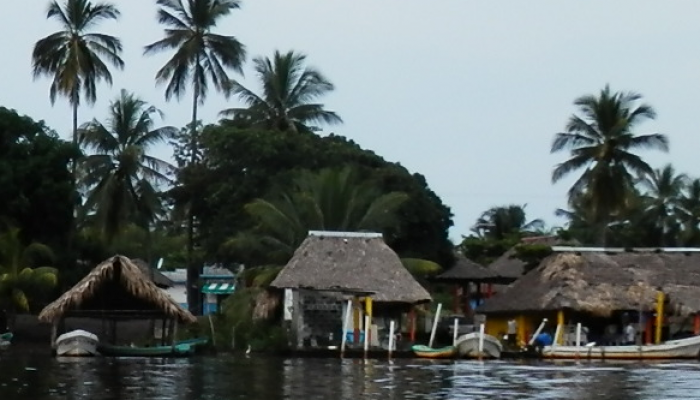
Unravelling the performance of co-managed small-scale fisheries. A case study in La Encrucijada Biosphere Reserve, Mexico
-

Vulnerabilidad Socio-Ambiental en la España rural (SEVERAS)

Knowledge, data and technology in nature conservation, environmental management, and ecosystems’ governance
We investigate how scientific, or Indigenous and traditional environmental knowledges are produced and legitimised, and what justice implications they imply.
-

BIG-5
-
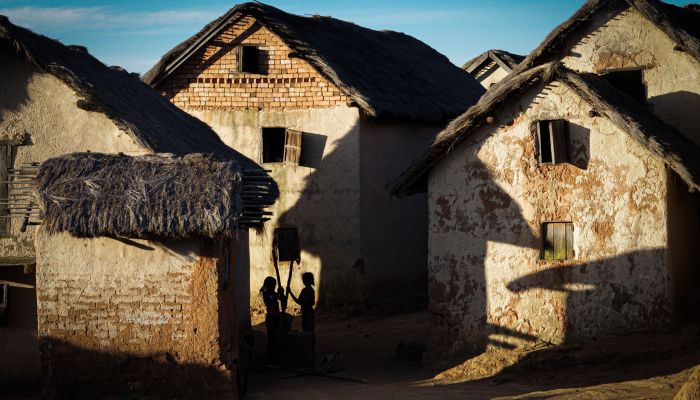
Climate change and Indigenous People and local communities. A new online course
-

Commit2Green
-
Commons-led coproduction in the Metropolitan Area of Barcelona: experiences and learning at territorial level
-
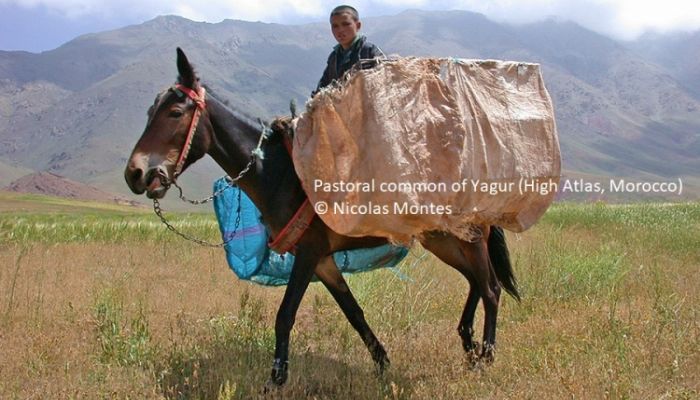
Communal governance systems, community engagement and public participation
-
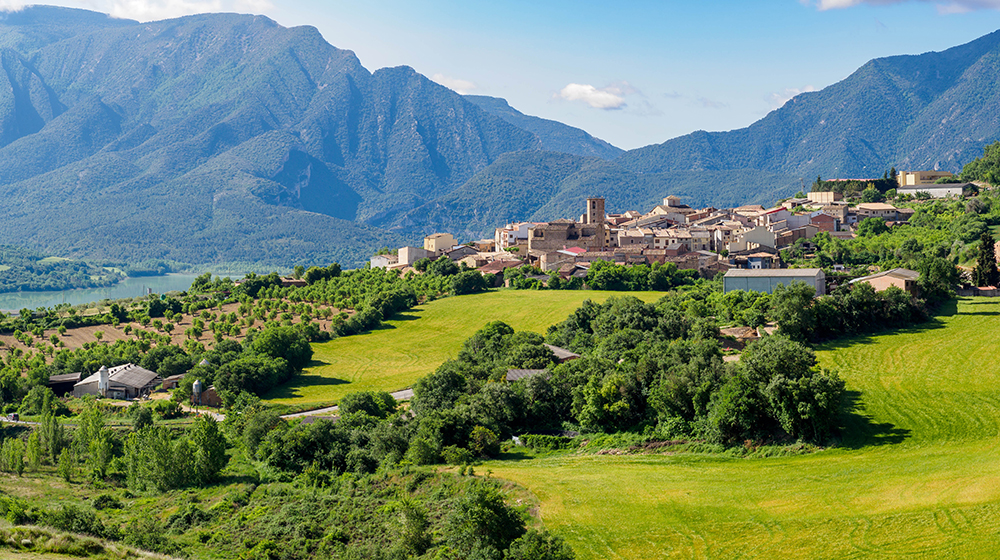
CONDJUST
-
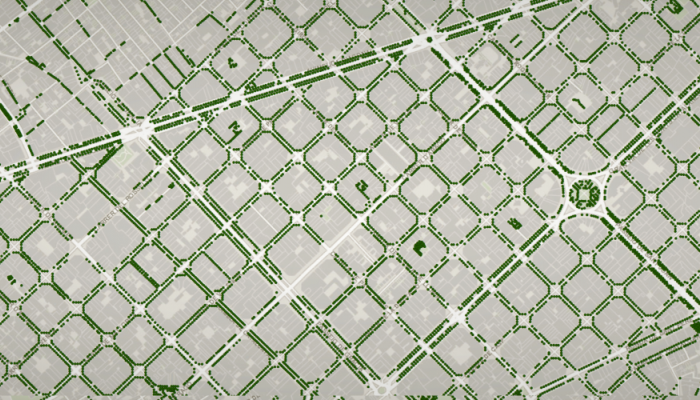
Ecosystem Services and Urban Environmental Justice: connections and implications
-

Environmental conflicts through the lens of artwork and multimedia in waterscape transformations (CLAMOR)
-
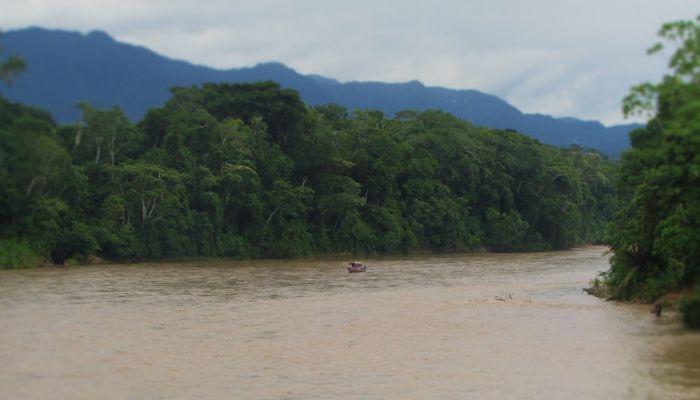
Indigenous land-based stewardship from local to global scales
-

Integrating Valuations, Markets and Policies for Biodiversity and Ecosystem Services (INVALUABLE)

Narratives, policies and projects for the green transition
We analyse how specific environmental governance narratives, policies and projects get translated, adapted, or resisted across scales, and with which socio-ecological consequences.
-
Assessing the effectiveness of community-based management strategies for biocultural conservation (COMBIOSERVE)
-
Bio-Agro-diversity of past and present Mediterranean landscapes to face a common future (BioDivMeX WG4)
-
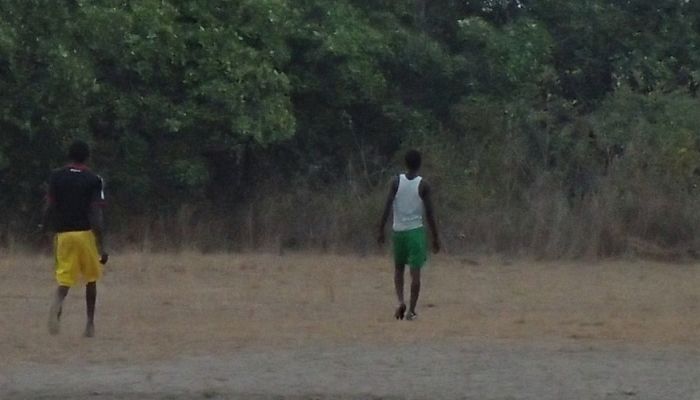
Combining REDD, PFM and FSC certification in South-Eastern Tanzania
-
Communal governance systems, community engagement and public participation
-
Conflict and Cooperation over REDD+ in Mexico, Nepal and Vietnam
-
Ecosystem Services and Urban Environmental Justice: connections and implications
-

Enabling Green and Blue Infrastructure Potential in Complex Social-Ecological Regions (ENABLE)
-

FairNature
-
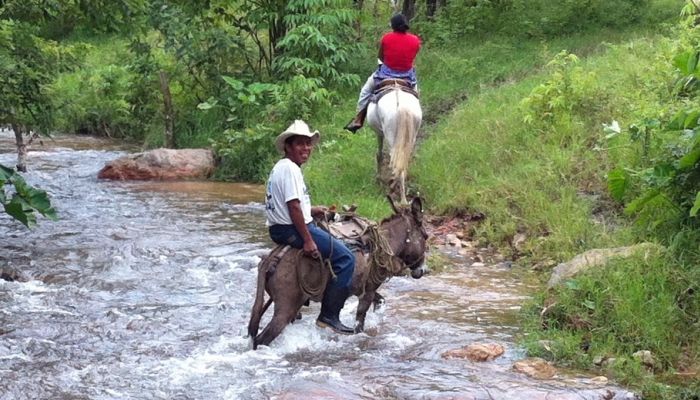
Framing Debates about Poverty Reduction and Ecosystem Services
-
Inspiring rural heritage: sustainable practices to protect and conserve upland landscapes and memories (IRIS)
Our key topics
Our values
Brave Space Guidelines
Grounded in a culture of care and mutual support, we share the Brave Space Guidelines that frame our monthly meetings. Feel free to explore and download the reference PDF at the end of this section as an invitation or inspiration for your own care practices within academic and collective spaces.
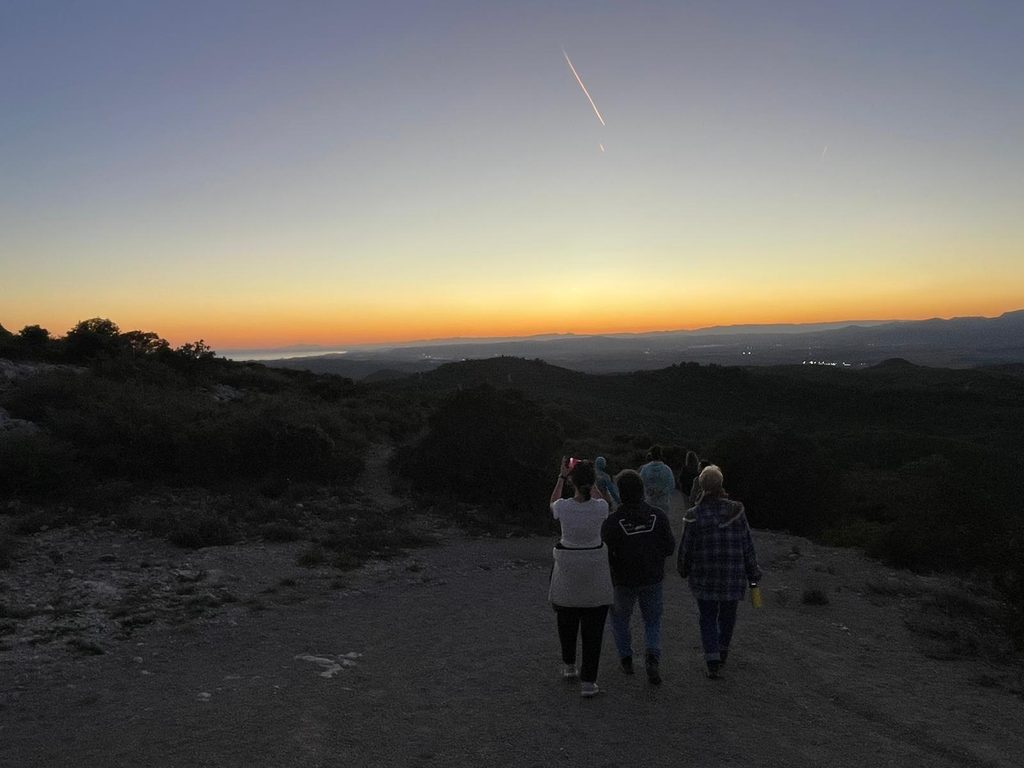
Everyone is expected to come with openness, kindness, generosity, and accountability to each other. This means we do not laugh at personal differences or different abilities, we elevate others’ work or ideas where appropriate, and we take ownership of our words and actions. We assume therefore that everyone speaks with positive intent, although someone may say or do something that unintentionally causes offence. If that happens, we ask for clarification and are open to dialogue. We can speak with the individual privately or raise concerns collectively.
- We are all respected and valued as members of LASEG (regardless of our background and research publications)
- Introductions with pronouns: We introduce ourselves with our preferred gender pronouns
- One person, one mic: Only one person speaks at a time; no one should interrupt anyone
- Actively listen: Listen to what is said before thinking about how to respond. Don’t make judgements or assumptions, and ask questions instead
- Step back: Share speaking time and try to speak after others who have not spoken
- Be brave: We are all learning and will make mistakes. Everyone should feel encouraged to speak up
- Centre others, not yourself: Ask questions of what others need or want instead of assuming what we think they should need or want, or imposing your opinion
- English language clarity: Given different language fluencies, we appreciate everyone’s effort to speak clearly and slowly in English. If someone is speaking too fast or unclearly, anyone can motion ‘slow down’ with their hands.
- Language diversity: Being in Catalonia and Spain if we are more comfortable or better able to express ourselves in Catalan or Spanish, we can do so, provided that others are present to provide translation for others less fluent in those languages.
- Challenge with care: Find ways to respectfully challenge others and be open to challenges of your own views. Question ideas without personal attacks.
- Confidentiality: Stories or personal information shared during meetings should not be shared outside without permission, so that we maintain openness and trust amongst ourselves
- We speak from our own experience and not for others: We recognise that our experiences, values, positionalities are unique, and we do not use language that is generalising nor stereotype based on assumptions.
- Notice and name group dynamics in the moment: We are all responsible for this space, and should notice how others are responding and not responding. Ask for a “time out” or dialogue if needed or encourage people to speak up
Buddy system
At LASEG, we believe that research thrives in a supportive, inclusive, and caring environment. Integrating into a new academic group, university, or country comes with both exciting opportunities and practical challenges. To ensure that every new member feels welcomed, valued, and connected from day one, we have established the LASEG Buddy System.
The Buddy System is a peer-to-peer initiative built on:
- Informal Peer Support: Every newcomer, whether a PhD researcher, postdoc, technician, or visiting scholar, is paired with an experienced group member. Buddies offer trusted, informal guidance on everything from navigating ICTA-UAB and office routines to settling into life in Barcelona.
- Thoughtful & Inclusive Matching: We connect members based on shared preferences, including career stages, research interests, language, or background, honoring the diverse international character of our team.
- Reciprocity & Connection: Grounded in a spirit of mutual care, participation is voluntary and reciprocal.
The Buddy System is one of the practical ways we bring our group values to life.