-

FairNature
Practical guide to scaling Nature-based Solutions How can we promote a sustainable and just future while staying within planetary boundaries? Nature-based Solutions (NbS) are part of the answer – NbS aim to develop solutions that work with nature to support both society and the environment. Many pilot NbS exist, but few are implemented on a…
-
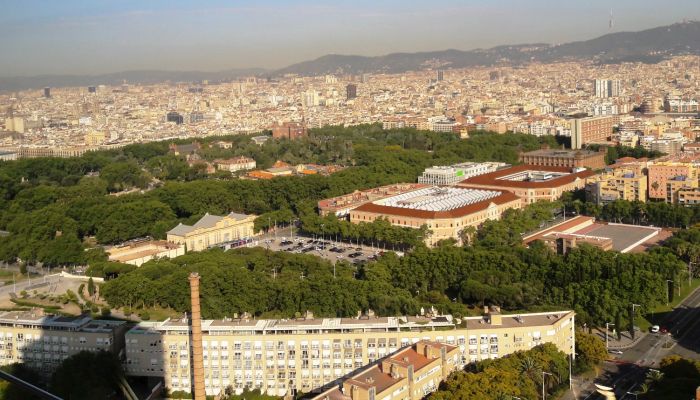
Enabling Green and Blue Infrastructure Potential in Complex Social-Ecological Regions (ENABLE)
In an increasingly urbanized world, Green-Based Infrastructure (GBI) has the potential to tackle multiple environmental and social challenges, such as human wellbeing, social inequality, biodiversity loss and climate change impacts such as flooding. However, the successful design and implementation of GBI requires careful consideration of a number of key aspects, including people’s perceptions of the…
-
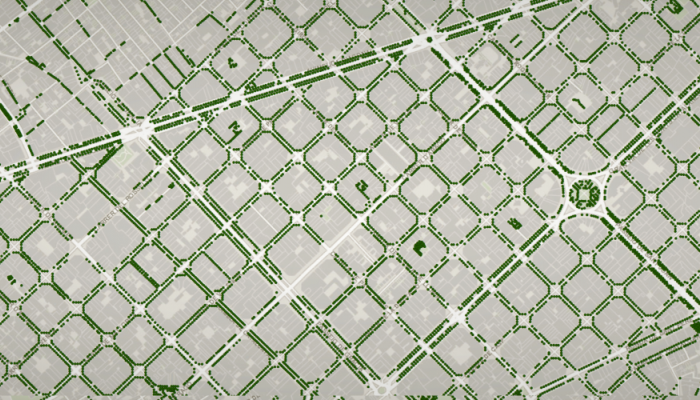
Ecosystem Services and Urban Environmental Justice: connections and implications
Cities have tended to show an unequal distribution of access to social services, infrastructures and livelihoods, as well as of environmental hazards and resources to respond to them. Socio-economic characteristics of the urban population can undermine the local capacity to adapt and respond to the increasing challenges and risks of climate change and urbanization. Urban…
-
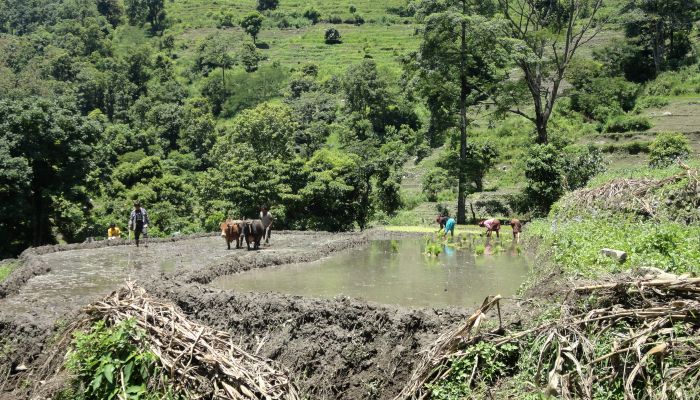
Conflict and Cooperation over REDD+ in Mexico, Nepal and Vietnam
The Conflict and cooperation over REDD+ in Mexico, Nepal and Vietnam project, funded by The Netherlands Scientific Organisation NWO, and the UK’s Department for International Development was an interdisciplinary cross-country project with a focus on analysis of conflicts and co-operation. Reducing Emissions from Deforestation and forest Degradation, and the enhancement and sustainable use of forest…
-
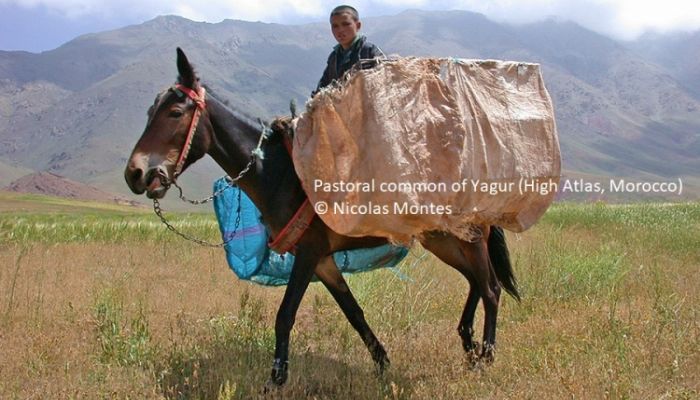
Communal governance systems, community engagement and public participation
Participatory governance and public participation through community engagement are increasingly recognized as key elements for the success of nature conservation and biodiversity enhancement. Communal Governance Systems (CGSs) play a crucial role in biodiversity conservation, with results from some studies showing that areas governed communally are ‘diversity hotspots’ because of the ancestral sustainable interaction between human…
-
Combining REDD, PFM and FSC certification in South-Eastern Tanzania
The project “Combining REDD, PFM and FSC certification in South-Eastern Tanzania” aimed to introduce Community Based Fire Management (CBFiM) and thereby use any REDD+ payments to cover the transaction costs of establishing PFM supported by FSC in five new villages and 5 existing PFM villages in Kilwa District, Tanzania. It was designed and implemented by…
-

Bio-Agro-diversity of past and present Mediterranean landscapes to face a common future (BioDivMeX WG4)
BioDivMeX’s Working Group 4 aims to develop a diachronic understanding of socio-ecological systems while crossing it with the current conflicts and threats to this enormous bio-cultural diversity found today in the Mediterranean. By relying on a transdisciplinary analysis of ecological and paleo-ecological, landscape, socio-anthropo-politological and climatologic approaches, we investigate the current bio-cultural diversity associated with…
-
Assessing the effectiveness of community-based management strategies for biocultural conservation (COMBIOSERVE)
The COMBIOSERVE project consisted of a cross-country study (Mexico, Brazil, and Bolivia) to identify and analyse factors and processes contributing to the effectiveness of community conservation initiatives, and assist civil society organisations in co-enquiry and mutual learning by: The project resulted in several scientific publications, which you can find in the Publications section (e.g. Ruiz-Mallén…
-
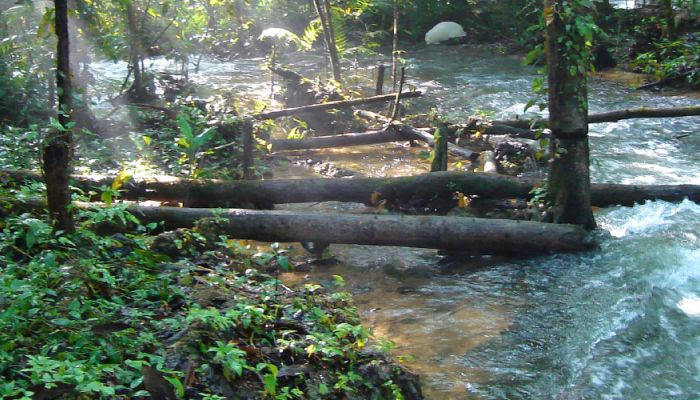
Navigating Implementation Challenges in Mexico’s Payments for Ecosystem Services (PES) Programs
The Selva Lacandona rainforest has been conserved for nearly 20 years through Mexico’s Payment for Ecosystem Services program, led by Natura y Ecosistemas. Recent budget cuts and rule changes hinder participation, so stakeholders will assess impacts on deforestation, livelihoods, and perceptions, and propose ways to strengthen the program.
-

Esteve Corbera
I’m a political ecologist building knowledge that can translate in more just and effective policies for biodiversity conservation and sustainable land-use
Research Line: Narratives, Policies, and Projects for the Green Transition
Analysing how environmental governance narratives, policies, and green transition projects (such as urban Nature-based Solutions, agrivoltaics, and PES schemes) are translated, adapted, or resisted across scales, with a focus on social-ecological justice.