-
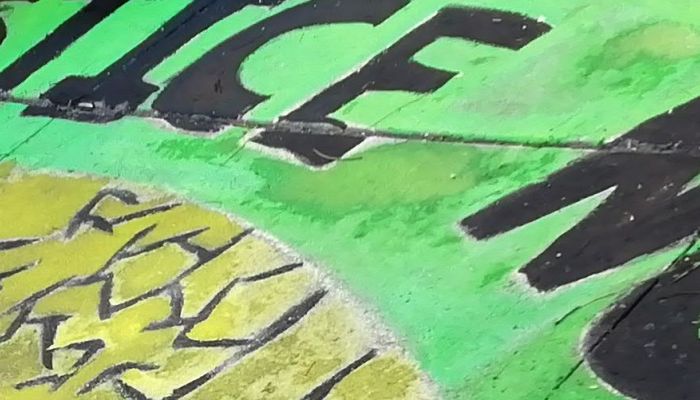
Environmental conflicts through the lens of artwork and multimedia in waterscape transformations (CLAMOR)
How do artistic and multimedia creations in water-related conflicts represent and support transformative or restorative initiatives? CLAMOR will answer this question by cataloguing and analyzing cultural artefacts used in environmental conflicts: films, plastic arts (including banners), music and songs, and associated multimedia. To narrow down the action without disregarding societal and gender significance, the project…
-
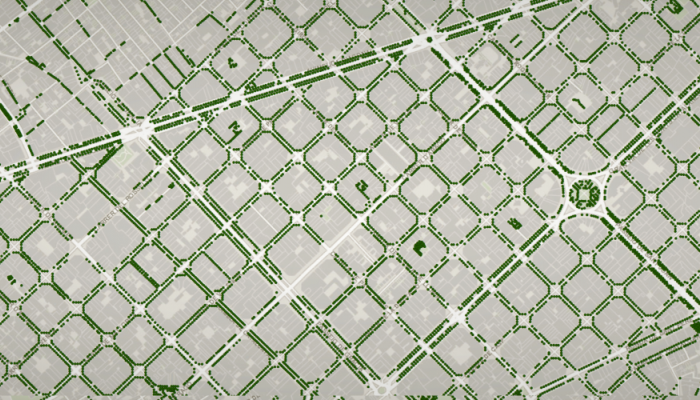
Ecosystem Services and Urban Environmental Justice: connections and implications
Cities have tended to show an unequal distribution of access to social services, infrastructures and livelihoods, as well as of environmental hazards and resources to respond to them. Socio-economic characteristics of the urban population can undermine the local capacity to adapt and respond to the increasing challenges and risks of climate change and urbanization. Urban…
-
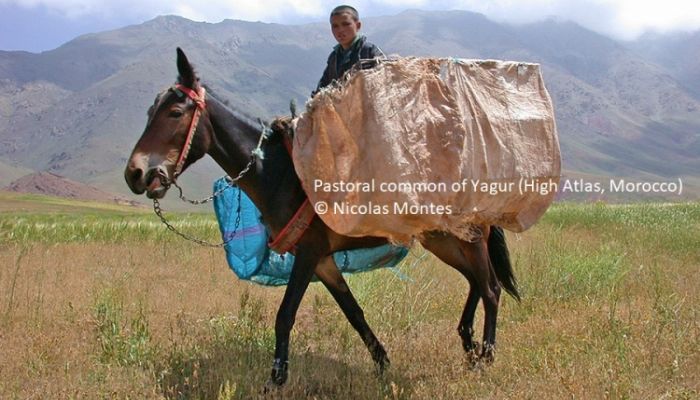
Communal governance systems, community engagement and public participation
Participatory governance and public participation through community engagement are increasingly recognized as key elements for the success of nature conservation and biodiversity enhancement. Communal Governance Systems (CGSs) play a crucial role in biodiversity conservation, with results from some studies showing that areas governed communally are ‘diversity hotspots’ because of the ancestral sustainable interaction between human…
-
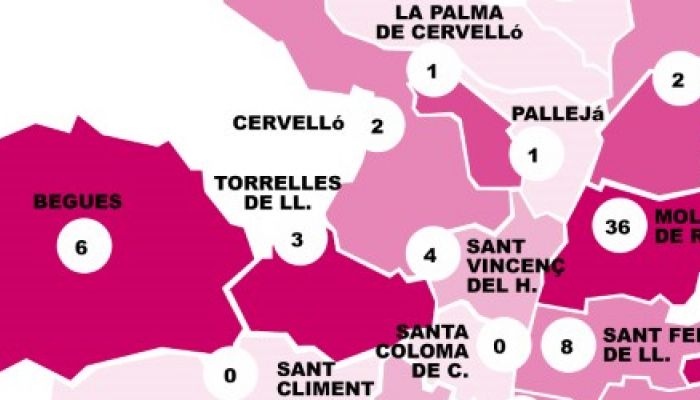
Commons-led coproduction in the Metropolitan Area of Barcelona: experiences and learning at territorial level
The project aims to improve the understanding of the commons in the Metropolitan Area of Barcelona to contribute to better promote collaboration between local governments and community-led organizations around Common-led coproduction and management. It aims to open a debate around Common-led coproduction as a new model of public administration and define together with commons groups,…
-
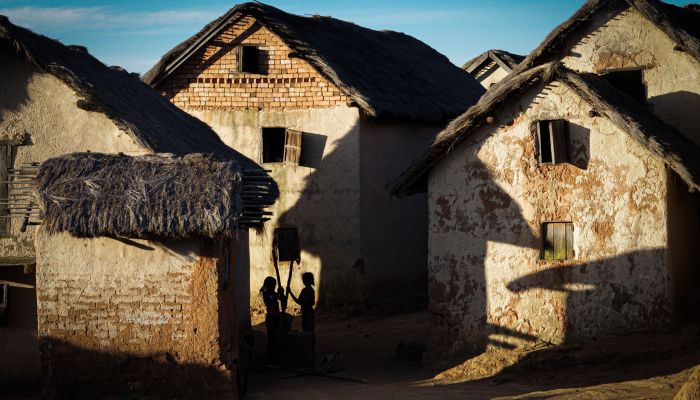
Climate change and Indigenous People and local communities. A new online course
Climate change impacts vary among different social groups, who perceive and adapt to it in different ways. In this course, students will: a) understand the differentiated impacts that climate change has on Indigenous Peoples and local communities (IPLC), b) familiarize themselves with different responses to climate change impacts led by IPLC, and c) learn about…
-
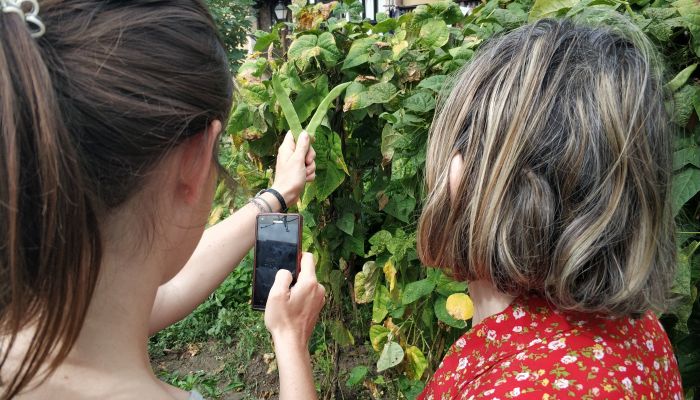
Sharing Traditional Ecological Knowledge (CONECT-e)
The main goal of this project is to develop and validate a new methodology that will broaden the basis on which TEK is collected while engaging citizens by: CONECTe holds the potential to document, share and protect TEK in an innovative way. As part of the project, we evaluate the need, impact, process and outcomes…
-
-

Letícia Santos de Lima
Environmental Scientist investigating land-water systems with a focus on the science-policy interface.
-
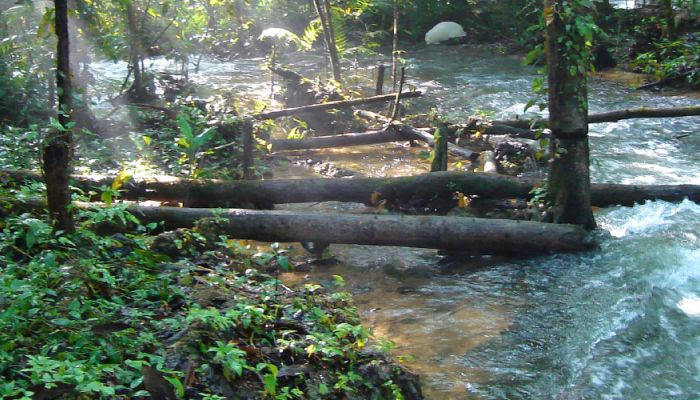
Navigating Implementation Challenges in Mexico’s Payments for Ecosystem Services (PES) Programs
The Selva Lacandona rainforest has been conserved for nearly 20 years through Mexico’s Payment for Ecosystem Services program, led by Natura y Ecosistemas. Recent budget cuts and rule changes hinder participation, so stakeholders will assess impacts on deforestation, livelihoods, and perceptions, and propose ways to strengthen the program.
-
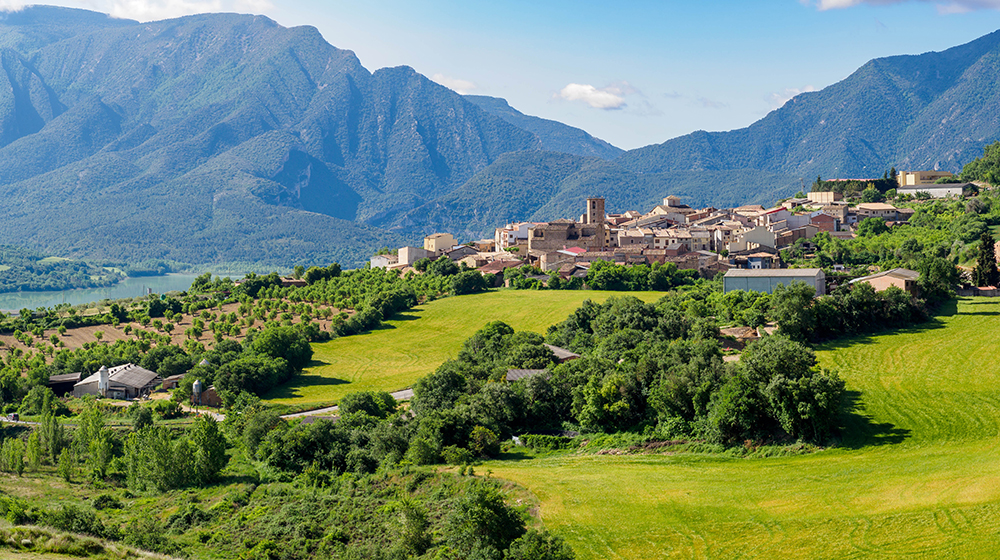
CONDJUST
CONDJUST is an ERC funded project that works with conservation models and communities of practice to develop new theories and practices of socially just decolonised conservation.
Research Line: Knowledge, Data, and Technology in Environmental Governance
Examining how scientific, Indigenous, and local environmental knowledges are produced and legitimised. We integrate ethnobotanical data, geospatial analyses, AI pipelines, and digital traces to study human–nature relations, digital stewardship, and data justice in conservation.