-
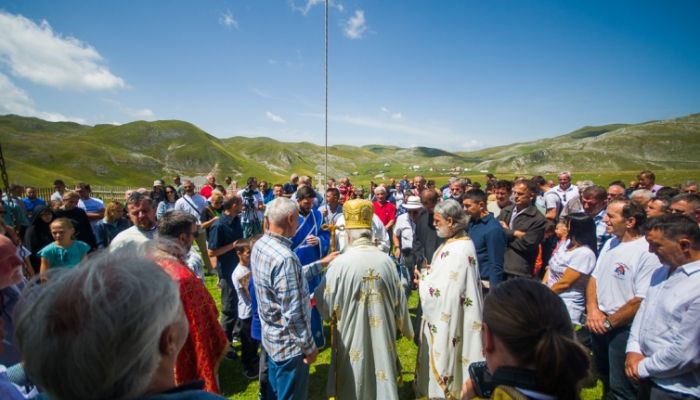
Inspiring rural heritage: sustainable practices to protect and conserve upland landscapes and memories (IRIS)
Europe’s upland landscapes are a rich and complex socio-ecological heritage, born of the interaction of nature and culture over millennia. Local communities play an active and essential role in conserving and protecting this heritage, while benefiting wider society. However, current conservation measures and land use decisions consistently fail to consider the historic dimension of mountain…
-
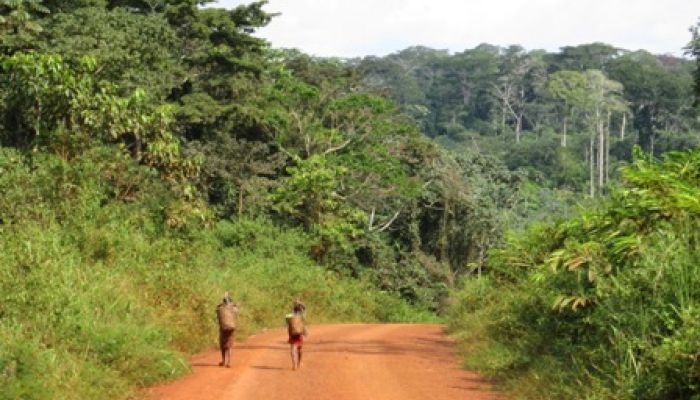
Construction ahead
Advocates argue that road building in low-income nations facilitates market access, promotes economic development, and improves canonical indicators of well-being in the orthodox approach to development. Detractors argue that road building has many ecological and social consequences. This project studied local attitudes towards the construction of a controversial road that would cross the Isiboro-Sécure National…
-
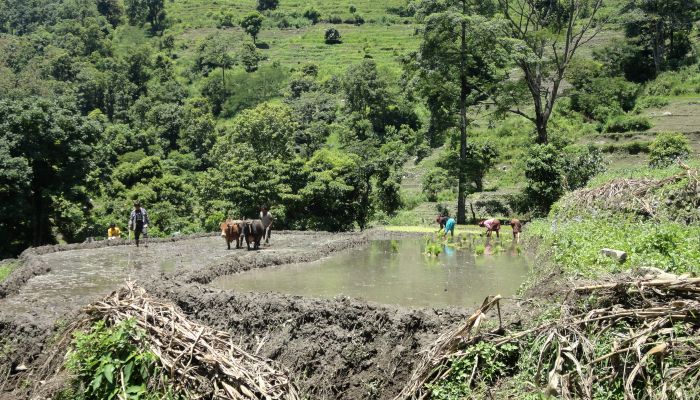
Conflict and Cooperation over REDD+ in Mexico, Nepal and Vietnam
The Conflict and cooperation over REDD+ in Mexico, Nepal and Vietnam project, funded by The Netherlands Scientific Organisation NWO, and the UK’s Department for International Development was an interdisciplinary cross-country project with a focus on analysis of conflicts and co-operation. Reducing Emissions from Deforestation and forest Degradation, and the enhancement and sustainable use of forest…
-
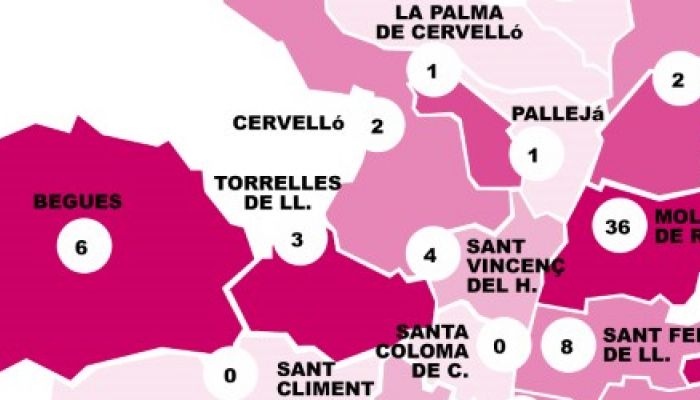
Commons-led coproduction in the Metropolitan Area of Barcelona: experiences and learning at territorial level
The project aims to improve the understanding of the commons in the Metropolitan Area of Barcelona to contribute to better promote collaboration between local governments and community-led organizations around Common-led coproduction and management. It aims to open a debate around Common-led coproduction as a new model of public administration and define together with commons groups,…
-
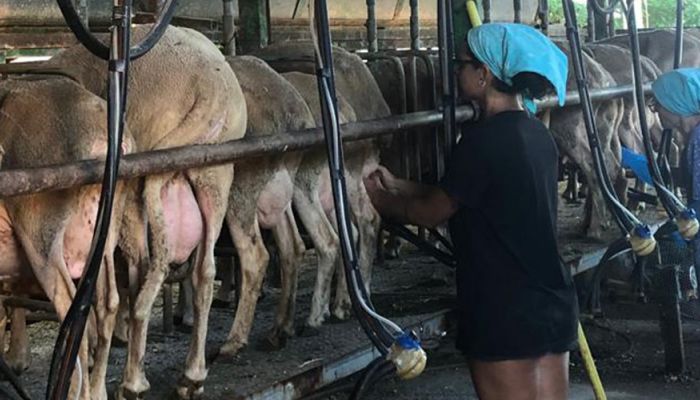
Collaborative conservation and coexistence with wolves through a feminist political ecology lens
The recovery of wolves across Europe’s rural landscapes is occurring alongside a deep crisis in the livestock breeding sector. Stalling sale prices of meat and dairy products, rising costs of agricultural inputs, reduced subsidies, and volatile climatic conditions are amplifying farmers’ vulnerability to predation and challenging their capacity to adapt to ecological change. While there…
-
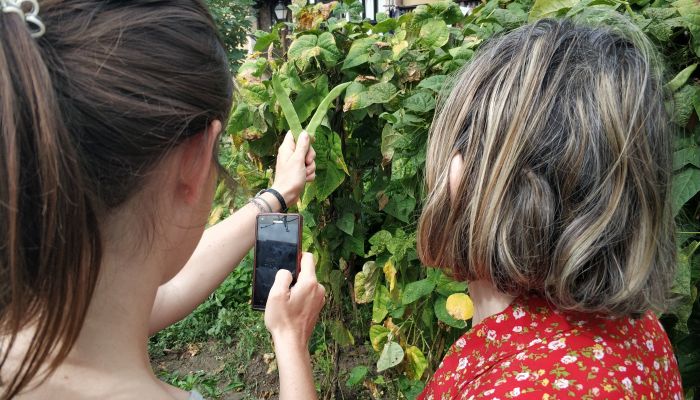
Sharing Traditional Ecological Knowledge (CONECT-e)
The main goal of this project is to develop and validate a new methodology that will broaden the basis on which TEK is collected while engaging citizens by: CONECTe holds the potential to document, share and protect TEK in an innovative way. As part of the project, we evaluate the need, impact, process and outcomes…
-

Bio-Agro-diversity of past and present Mediterranean landscapes to face a common future (BioDivMeX WG4)
BioDivMeX’s Working Group 4 aims to develop a diachronic understanding of socio-ecological systems while crossing it with the current conflicts and threats to this enormous bio-cultural diversity found today in the Mediterranean. By relying on a transdisciplinary analysis of ecological and paleo-ecological, landscape, socio-anthropo-politological and climatologic approaches, we investigate the current bio-cultural diversity associated with…
-

Assessing the effectiveness of community-based management strategies for biocultural conservation (COMBIOSERVE)
The COMBIOSERVE project consisted of a cross-country study (Mexico, Brazil, and Bolivia) to identify and analyse factors and processes contributing to the effectiveness of community conservation initiatives, and assist civil society organisations in co-enquiry and mutual learning by: The project resulted in several scientific publications, which you can find in the Publications section (e.g. Ruiz-Mallén…
-
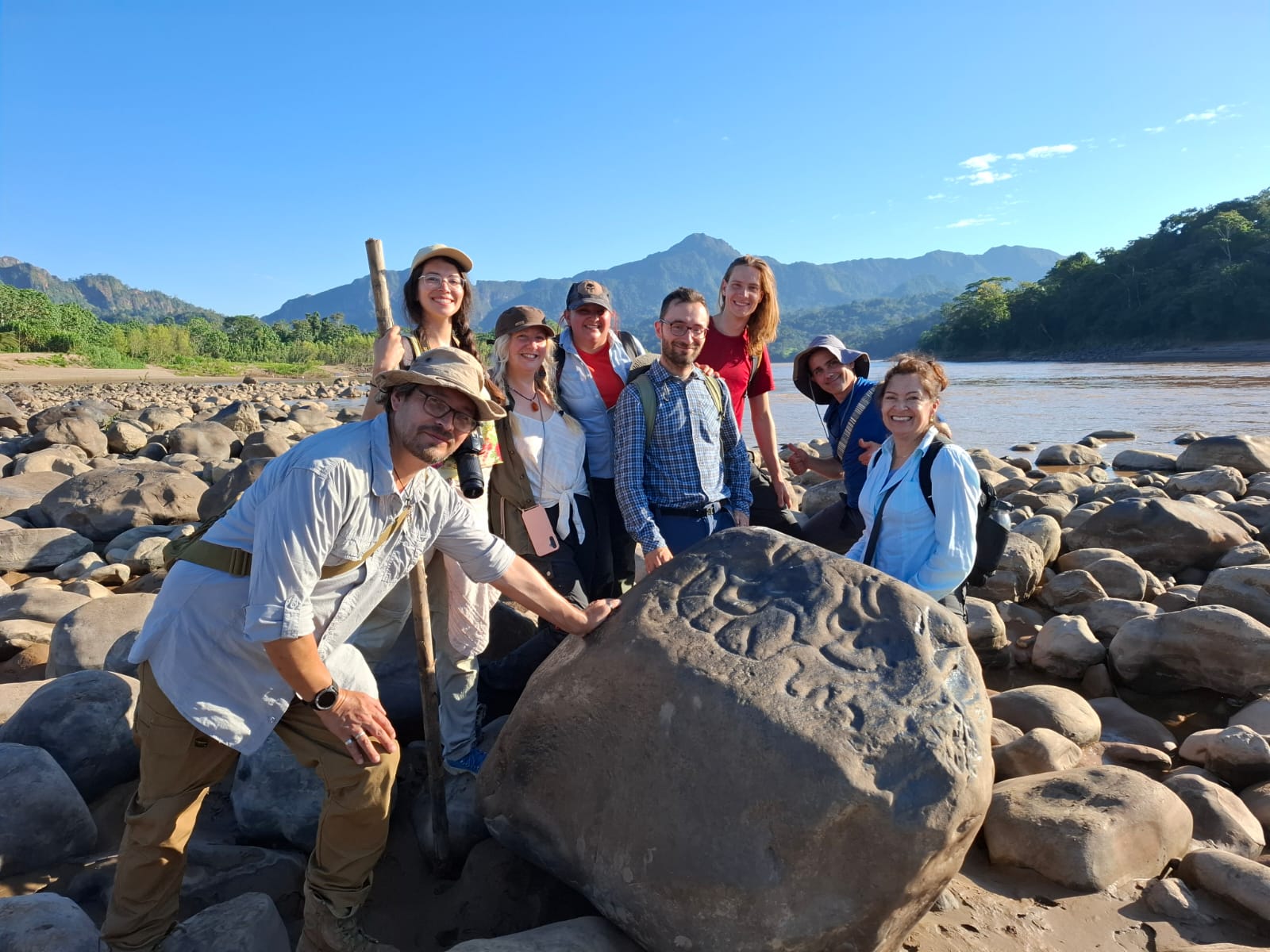
IEK-CHANGES
Assessing long-term changes in Indigenous Environmental Knowledge Ethnobiological research provides contradictory evidence of changes in Indigenous Environmental Knowledge (IEK) systems, with some studies suggesting processes of knowledge erosion and others emphasizing adaptability and resilience. The ecological impacts of such changes are also largely unknown, given that ethnobiologists generally lack diachronic or longitudinal data for the…
-
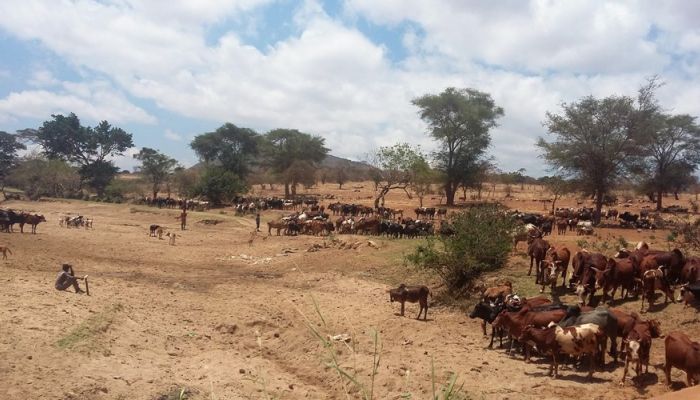
An eco-anthropological study of the customary-based management of pastoral resources among the Wahehe of Iringa in Tanzania
Customary common management systems have been recognized as a potential source of human livelihoods and environmental conservation. Despite this recognition and despite East Africa being a paradigmatic region for the study of pastoralism which is paradigmatic for the commons, the customary community-based management of pastoral resources and the existence of potential pastoral ICCAs in this…

Research Line: Human wellbeing and everyday lives in rural landscapes
Exploring how global environmental change influences rural livelihoods, human wellbeing, and adaptive capacities across diverse landscapes in Spain, Colombia, Indonesia, and West Africa through environmental justice and feminist political ecology lenses.