-
-

Vulnerabilidad Socio-Ambiental en la España rural (SEVERAS)
SEVERAS reunirá datos climáticos, censales, de uso del suelo y de desarrollo rural, hasta ahora desconectados, en una base de datos socioambiental única. Los datos se utilizán para calcular un índice de vulnerabilidad rural en España. El índice se elaborará y validará con las principales partes interesadas a través de talleres de planificación participativa («laboratorios…
-
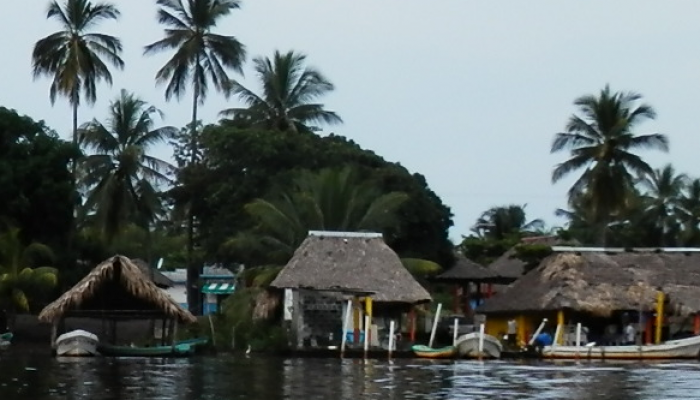
Unravelling the performance of co-managed small-scale fisheries. A case study in La Encrucijada Biosphere Reserve, Mexico
This doctoral project investigates the characteristics and outcomes of co-managed small-scale fisheries through, first, a systematic review of cases around the world and, second, examining a specific co-managed small-scale fishery located in La Encrucijada Biosphere Reserve, Chiapas, Mexico. This protected area shelters an important fish diversity that is the main source of livelihoods for the…
-

Tsimane’ Amazonian Panel Study (TAPS)
TAPS collected longitudinal data amon the Tsimane’, a native Amazonian society of horticulturalists and foragers who live mostly in the department of Beni, Bolivia. Every year for nine consecutive years (2002-2010) a multidisciplinary, international team of researchers and Tsimane’ assistants measured socio-cultural and anthropometric variables among all Tsimane’ living in 13 villages along the Maniqui…
-

The adaptive nature of culture (LEK)
This project collected real world data to test a pathway through which cultural knowledge might enhance human adaptive strategy: the individual returns to culturally evolved and environment-specific knowledge. The project was based on six sets of comparable panel data collected in three foraging societies: the Tsimane’ (Amazonia), the Baka (Congo Basin), and the Punan Tubu…
-

Socio-Ecological Heritization of Indigenous People and Community Conserved Areas in Taita hills, Kenya
Indigenous peoples’ and Community Conserved Areas (ICCAs) are now emerging as one of the key paradigms of conservation promoted by policy makers like the IUCN, UNEP, UNDP, etc. Nevertheless, the recognition of pastoral ICCAs in Africa and particularly Kenya is practically non-existent, which is astounding given that pastoralism is a sector that directly affects hundreds…
-
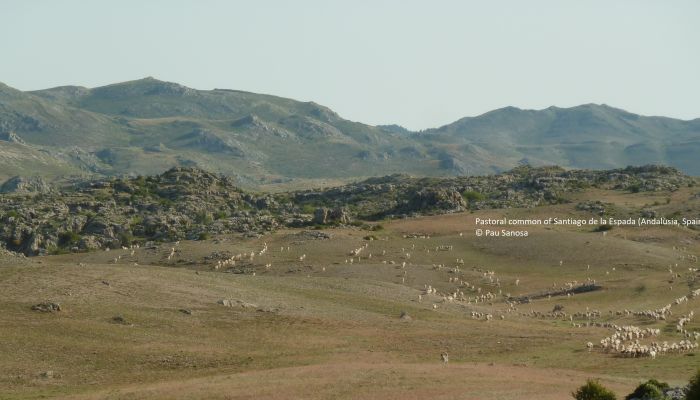
Socio-Ecological Heritization of ICCAs in Spain and Morocco (HERICCA)
There is a growing scientific awareness that Indigenous and Community Conserved Areas (hereafter ICCAs) are a positive management regime vis-à-vis local communities’ well-being and environmental conservation (e.g. http://www.iccaconsortium.org/ , www.iucn.org/about/union/commissions/ceesp/topics/governance/icca/). Nevertheless, ICCAs are generally undergoing swift degradation processes. As one of the key factors in such crisis we can point to important lacunas in the…
-
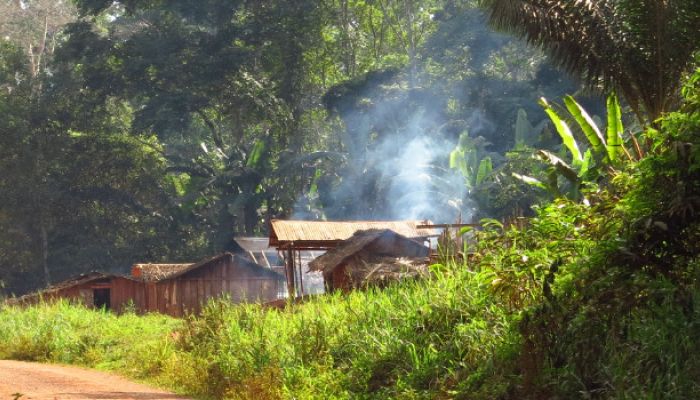
Resilience of Indigenous Peoples’ Health care system
How do the global climatic, ecological and socio-economical changes affect the capacity of human health system to prevent the emergence of new diseases? What are the social, cultural and ecological factors that enhance or break down the capacity of human health care system to absorb disturbances while retaining its basic function and structure, i.e. to…
-
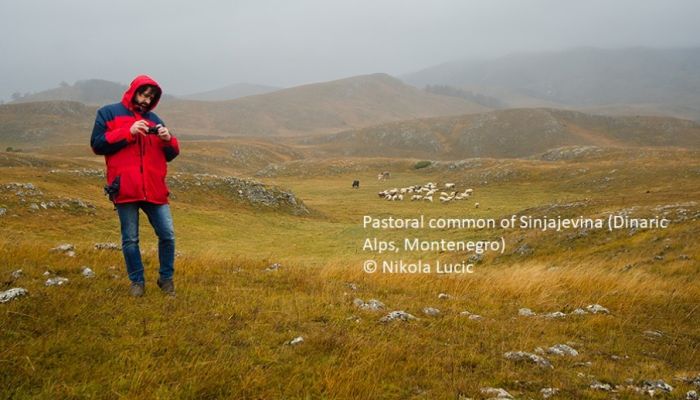
Pastoral Commons in the Montenegrin Mountains and processes of Heritization (COMPAS-MED-PAT)
There is a growing scientific awareness that pastoral commons are a positive management regime vis-à-vis society and sustainable environmental governance. Nevertheless, these are undergoing swift degradation processes. Heritagization has important assets that can contribute to solving key problems faced by Mediterranean pastoral commons. Hence the main goals of the project are: To achieve this, we…
-
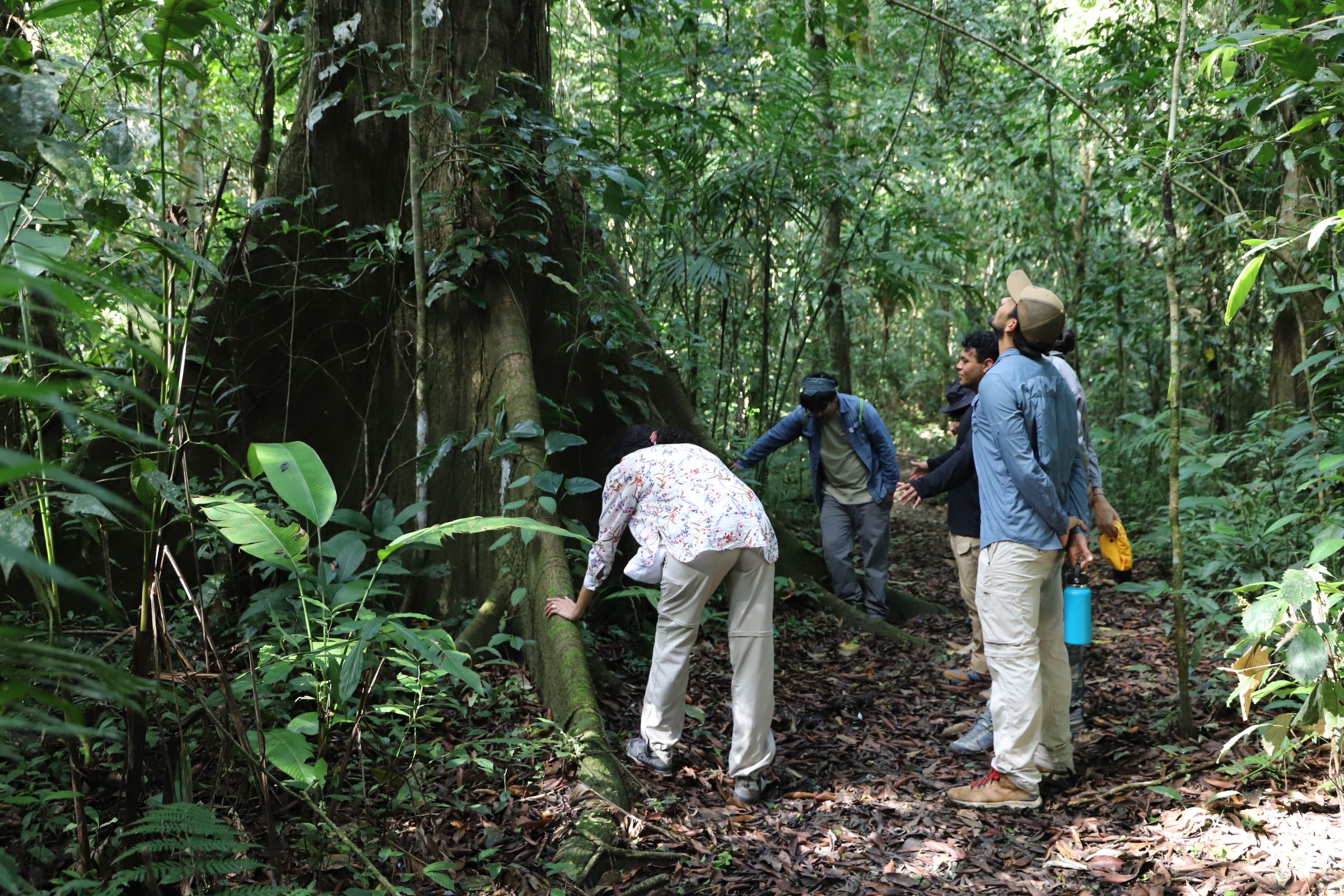
Navigating Implementation Challenges in Mexico’s Payments for Ecosystem Services (PES) Programs
Mexico’s Selva Lacandona, one of the world’s most biodiverse rainforests, contains some of the largest and best-preserved remnants of lower montane rainforest in Mexico and Central America. For nearly 20 years, Natura y Ecosistemas has worked with local communities to conserve forests and sustain ecosystem services through Mexico’s national Payment for Ecosystem Services (PES) programme.…

Research Line: Human wellbeing and everyday lives in rural landscapes
Exploring how global environmental change influences rural livelihoods, human wellbeing, and adaptive capacities across diverse landscapes in Spain, Colombia, Indonesia, and West Africa through environmental justice and feminist political ecology lenses.
