-
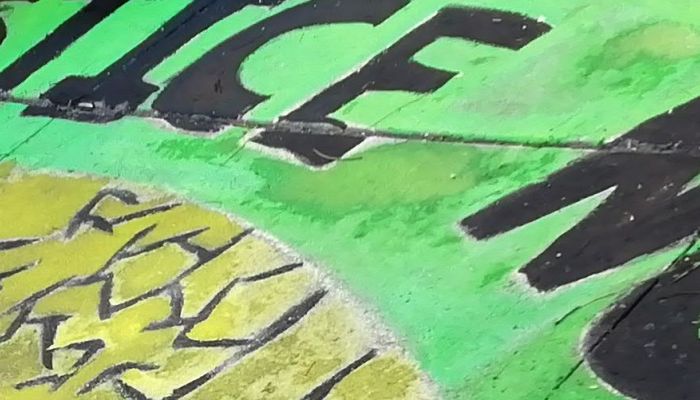
Environmental conflicts through the lens of artwork and multimedia in waterscape transformations (CLAMOR)
How do artistic and multimedia creations in water-related conflicts represent and support transformative or restorative initiatives? CLAMOR will answer this question by cataloguing and analyzing cultural artefacts used in environmental conflicts: films, plastic arts (including banners), music and songs, and associated multimedia. To narrow down the action without disregarding societal and gender significance, the project…
-
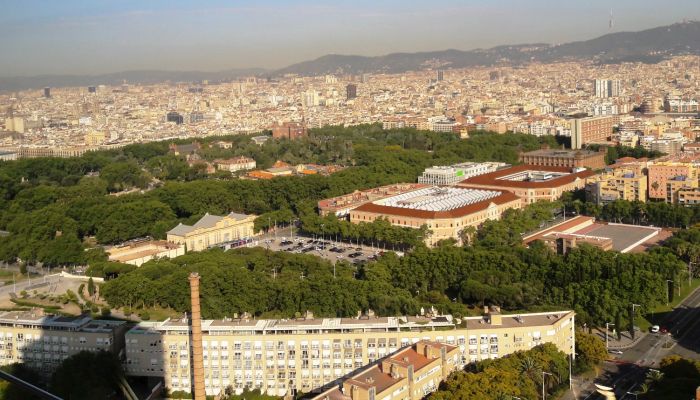
Enabling Green and Blue Infrastructure Potential in Complex Social-Ecological Regions (ENABLE)
In an increasingly urbanized world, Green-Based Infrastructure (GBI) has the potential to tackle multiple environmental and social challenges, such as human wellbeing, social inequality, biodiversity loss and climate change impacts such as flooding. However, the successful design and implementation of GBI requires careful consideration of a number of key aspects, including people’s perceptions of the…
-
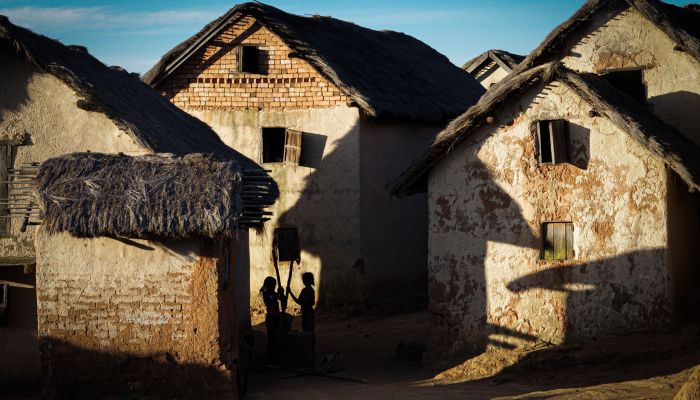
Climate change and Indigenous People and local communities. A new online course
Climate change impacts vary among different social groups, who perceive and adapt to it in different ways. In this course, students will: a) understand the differentiated impacts that climate change has on Indigenous Peoples and local communities (IPLC), b) familiarize themselves with different responses to climate change impacts led by IPLC, and c) learn about…
-
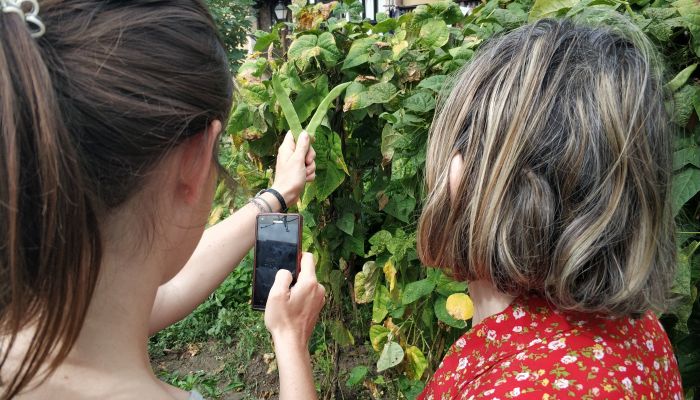
Sharing Traditional Ecological Knowledge (CONECT-e)
The main goal of this project is to develop and validate a new methodology that will broaden the basis on which TEK is collected while engaging citizens by: CONECTe holds the potential to document, share and protect TEK in an innovative way. As part of the project, we evaluate the need, impact, process and outcomes…
-
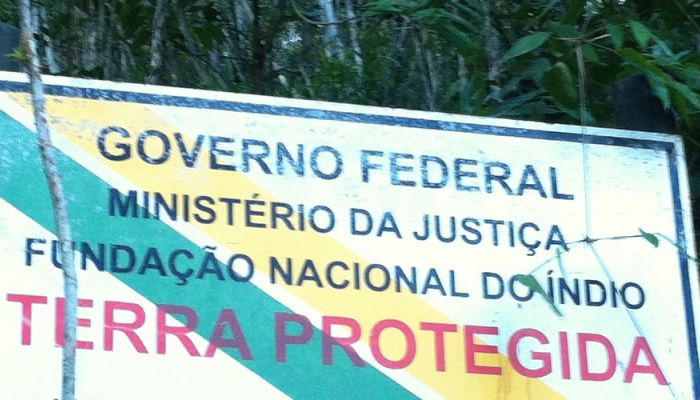
Assessing the effectiveness of community-based management strategies for biocultural conservation (COMBIOSERVE)
The COMBIOSERVE project consisted of a cross-country study (Mexico, Brazil, and Bolivia) to identify and analyse factors and processes contributing to the effectiveness of community conservation initiatives, and assist civil society organisations in co-enquiry and mutual learning by: The project resulted in several scientific publications, which you can find in the Publications section (e.g. Ruiz-Mallén…
-
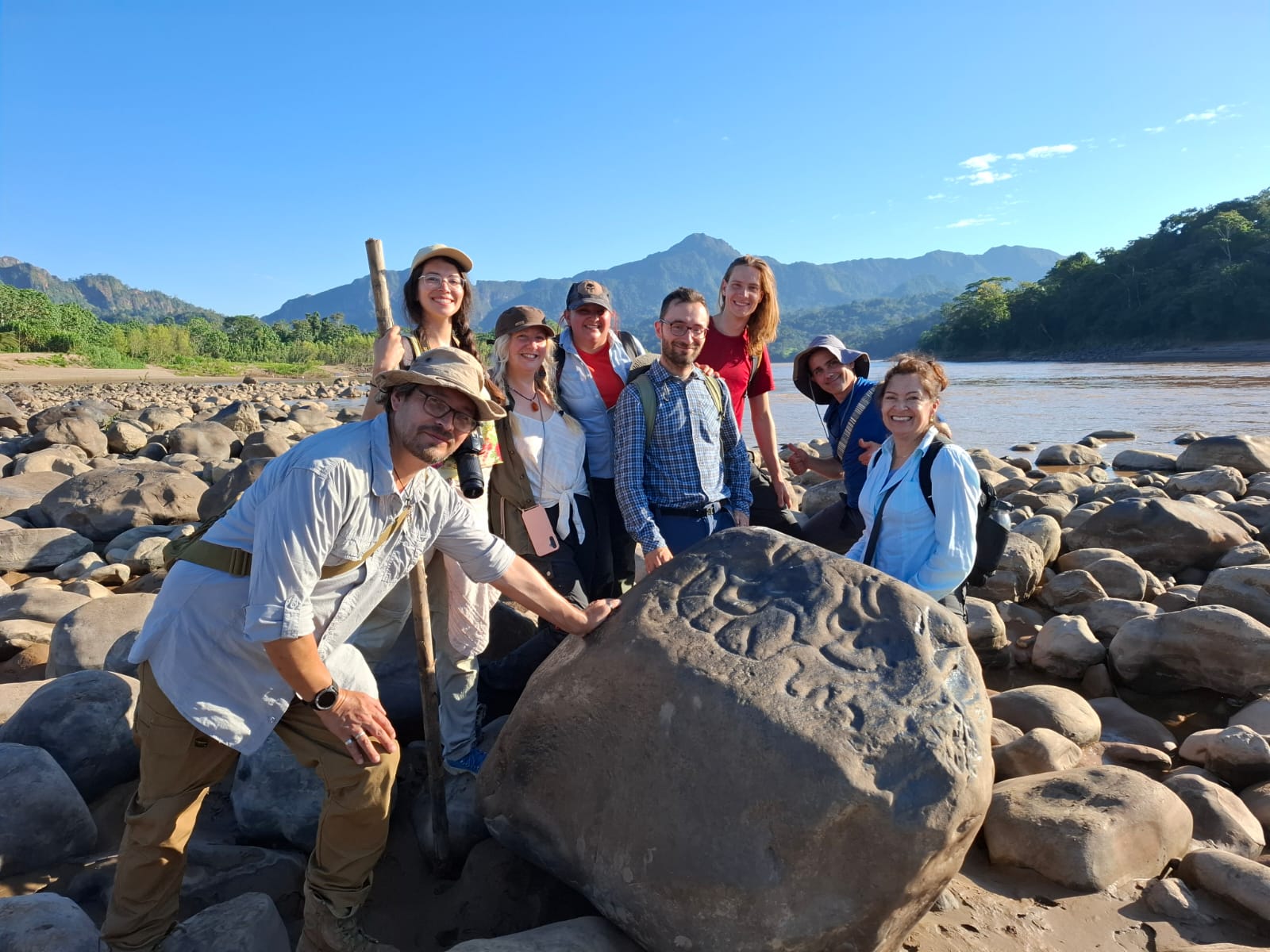
IEK-CHANGES
Assessing long-term changes in Indigenous Environmental Knowledge Ethnobiological research provides contradictory evidence of changes in Indigenous Environmental Knowledge (IEK) systems, with some studies suggesting processes of knowledge erosion and others emphasizing adaptability and resilience. The ecological impacts of such changes are also largely unknown, given that ethnobiologists generally lack diachronic or longitudinal data for the…
-
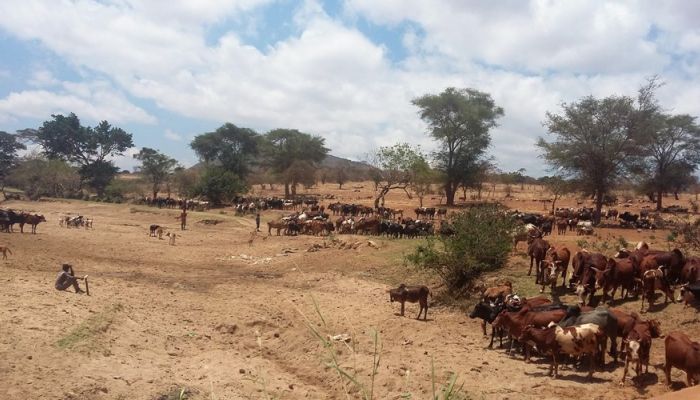
An eco-anthropological study of the customary-based management of pastoral resources among the Wahehe of Iringa in Tanzania
Customary common management systems have been recognized as a potential source of human livelihoods and environmental conservation. Despite this recognition and despite East Africa being a paradigmatic region for the study of pastoralism which is paradigmatic for the commons, the customary community-based management of pastoral resources and the existence of potential pastoral ICCAs in this…
-
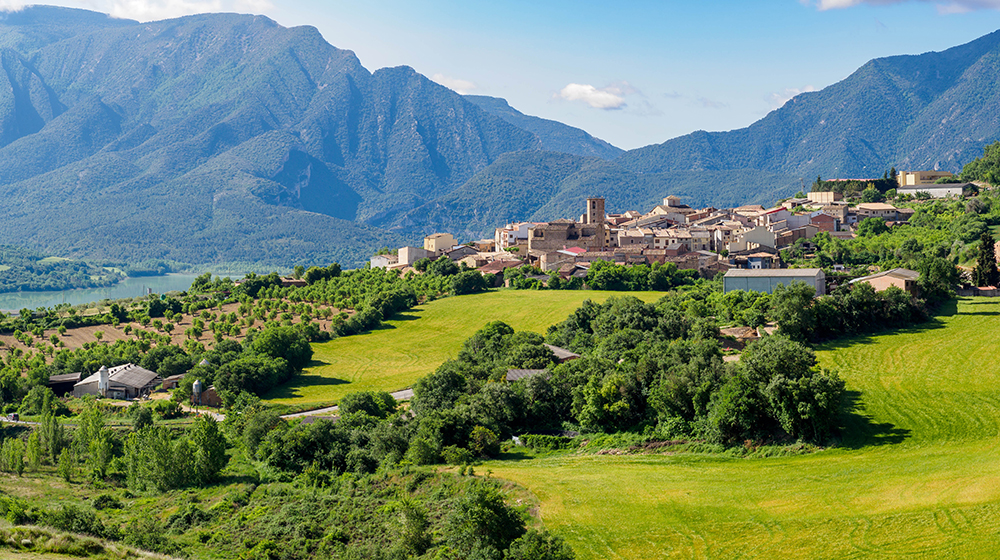
CONDJUST
CONDJUST is an ERC funded project that works with conservation models and communities of practice to develop new theories and practices of socially just decolonised conservation.
-

BIG-5
The BIG-5 project suggests that while direct experiences of nature may be declining, the internet and social media provide new ways to engage with and appreciate nature.
-

Commit2Green
C2G applies an ecosystem services-based approach to decision-making, focusing on both the supply (existing environmental performance) and the demand (community-identified needs) of ecosystem services.