
Projects
LASEG’s research projects reflect the breadth of our expertise and broad-ranging interests: from Indigenous Peoples’ knowledge and biodiversity conservation policies, to environmental history and climate change adaptation.
Our portfolio is anchored by four European Research Council (ERC) grants, alongside a dynamic range of national and international initiatives. Explore our featured ERC projects below, or view our full project directory.
-
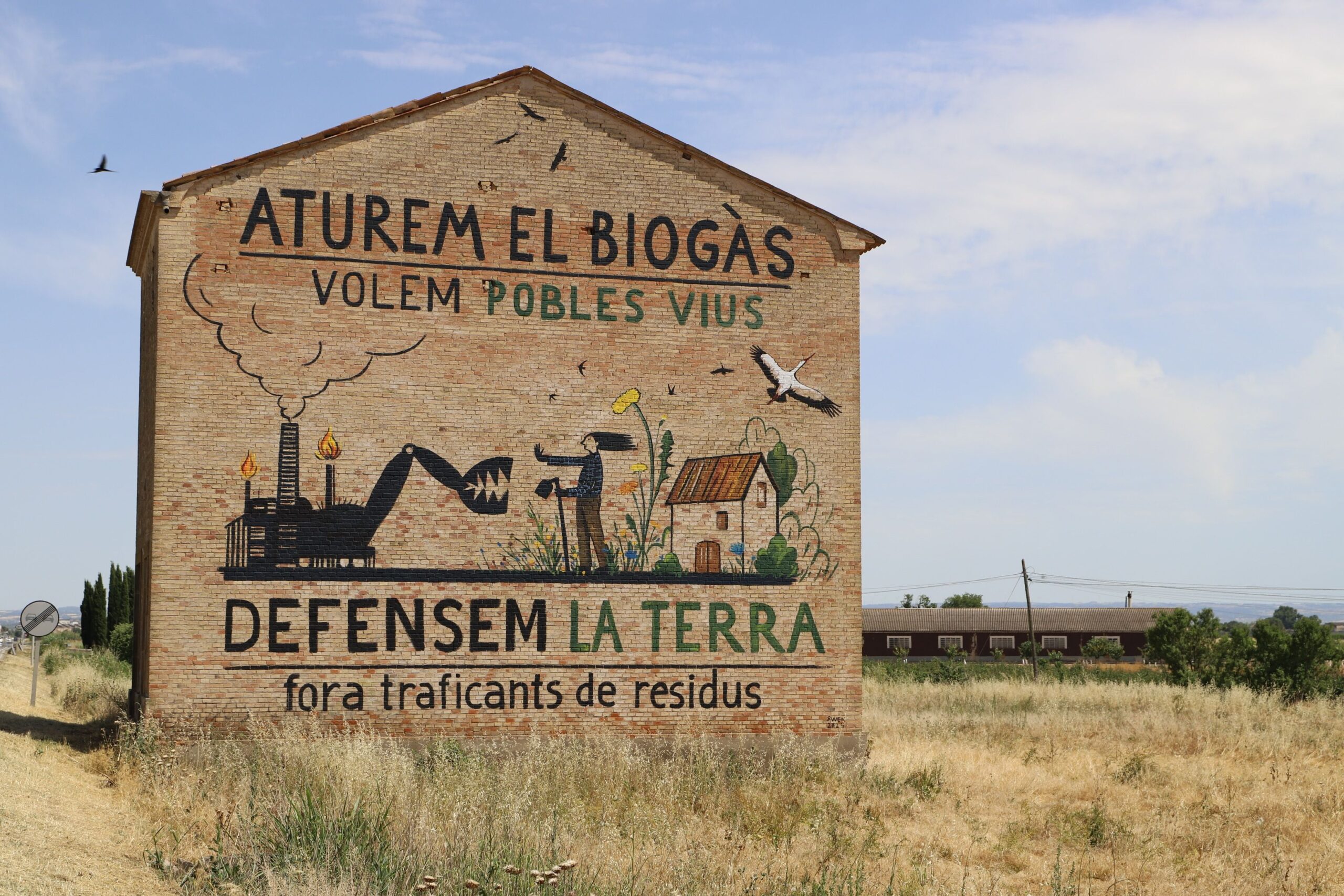
Land and life in the Anthropocene: Landscape reform (LAND)
A novel 4Ps framework to investigate land–life dynamics, which, for the first time, will connect perspectives on human–nonhuman relations, property-making, land regimes and…
-
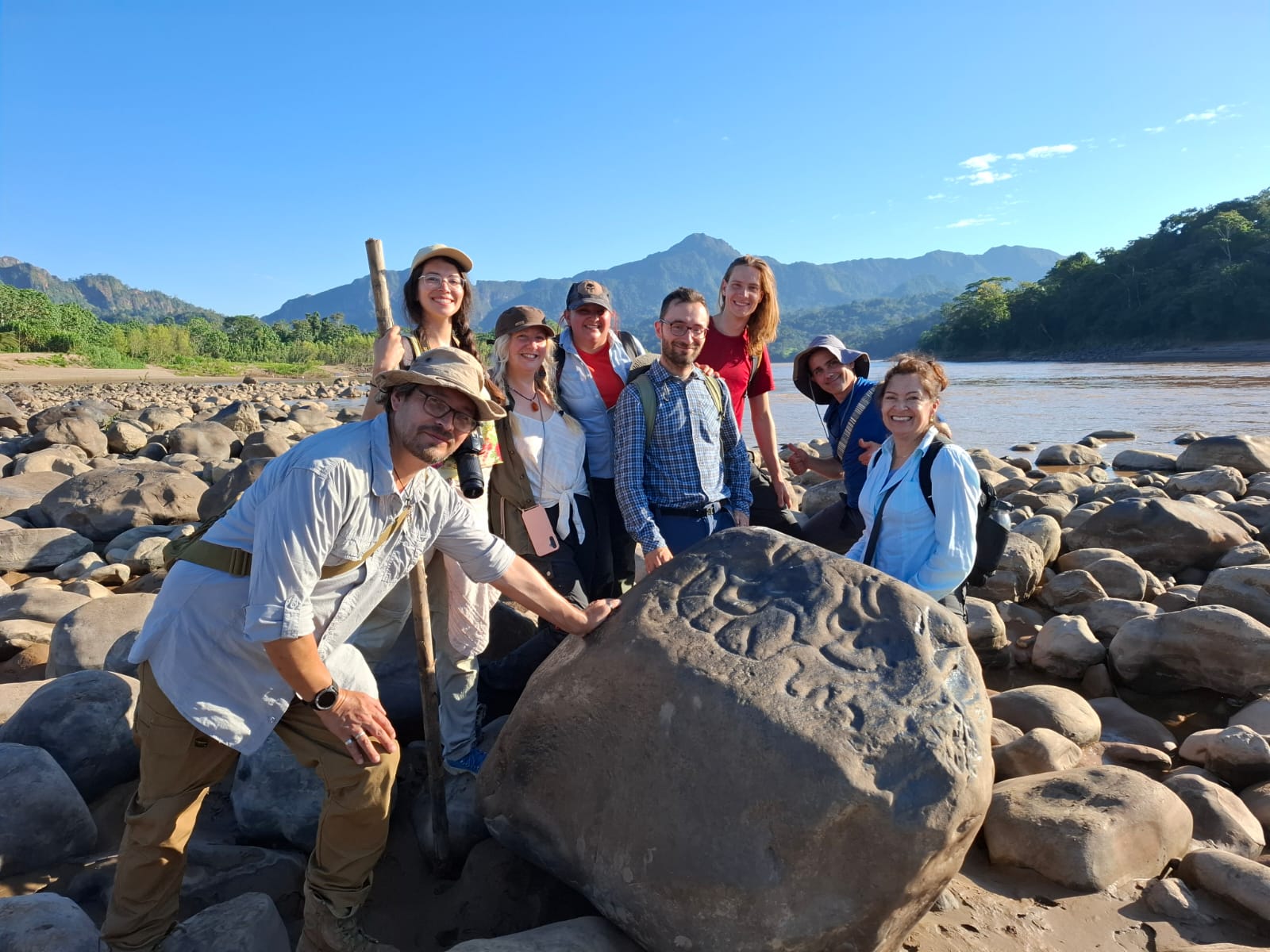
IEK-CHANGES
Assessing long-term changes in Indigenous Environmental Knowledge Ethnobiological research provides contradictory evidence of changes in Indigenous Environmental Knowledge (IEK) systems, with some studies…
All projects
-

BIG-5
The BIG-5 project suggests that while direct experiences of nature may be declining, the internet and social media provide new ways to engage with and appreciate nature.
-
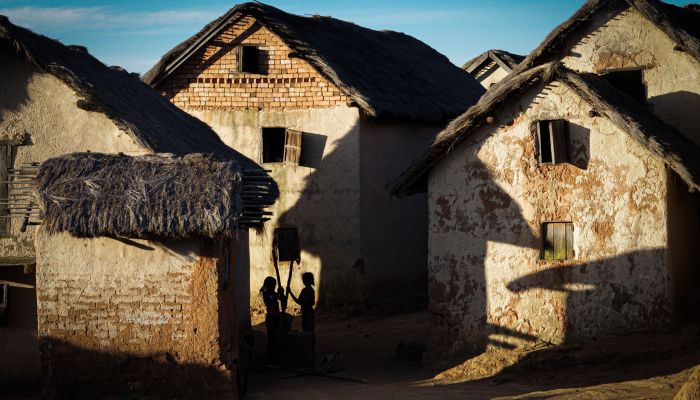
Climate change and Indigenous People and local communities. A new online course
Climate change impacts vary among different social groups, who perceive and adapt to it in different ways. In this course, students will: a) understand the differentiated impacts that climate change has on Indigenous Peoples and local communities (IPLC), b) familiarize themselves with different responses to climate change impacts led by IPLC, and c) learn about…
-

Commit2Green
C2G applies an ecosystem services-based approach to decision-making, focusing on both the supply (existing environmental performance) and the demand (community-identified needs) of ecosystem services.
-
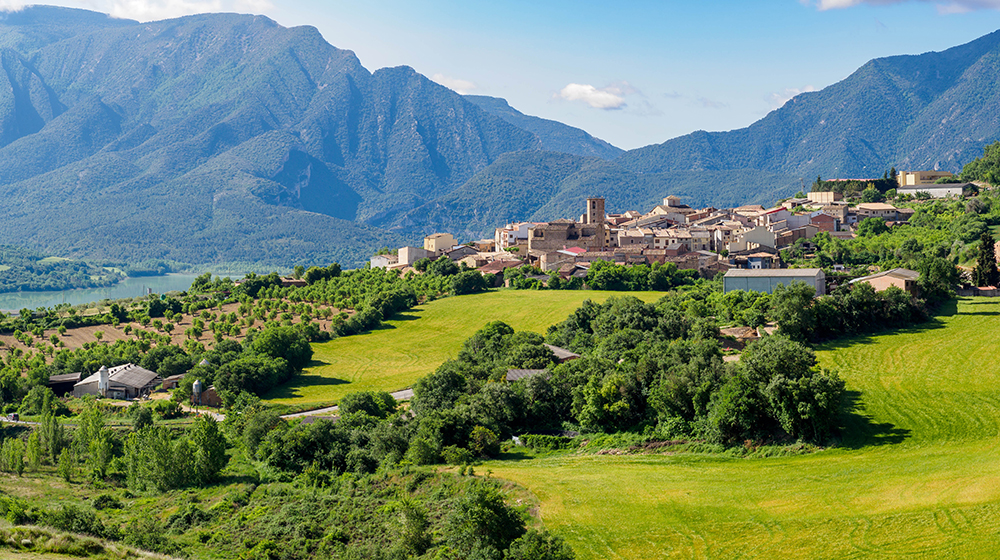
CONDJUST
CONDJUST is an ERC funded project that works with conservation models and communities of practice to develop new theories and practices of socially just decolonised conservation.
-

FairNature
Practical guide to scaling Nature-based Solutions How can we promote a sustainable and just future while staying within planetary boundaries? Nature-based Solutions (NbS) are part of the answer – NbS aim to develop solutions that work with nature to support both society and the environment. Many pilot NbS exist, but few are implemented on a…
-
IEK-CHANGES
Assessing long-term changes in Indigenous Environmental Knowledge Ethnobiological research provides contradictory evidence of changes in Indigenous Environmental Knowledge (IEK) systems, with some studies suggesting processes of knowledge erosion and others emphasizing adaptability and resilience. The ecological impacts of such changes are also largely unknown, given that ethnobiologists generally lack diachronic or longitudinal data for the…
-
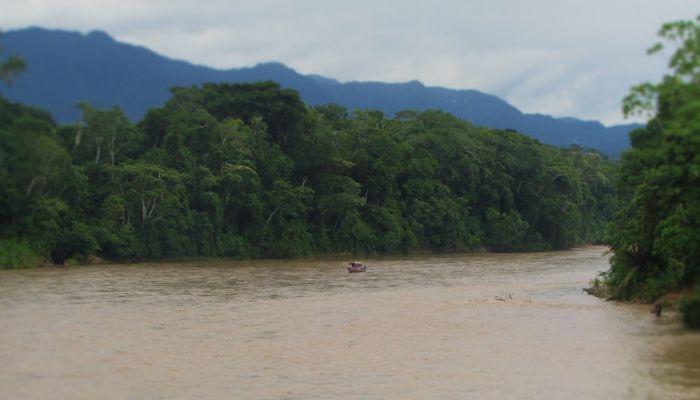
Indigenous land-based stewardship from local to global scales
This project aims to quantitatively explore the role of Indigenous Peoples in defending their territories in the face of rapidly expanding commodity and extractive frontiers. This will be done by: (1) assessing emerging threats to Indigenous land-based stewardship across scales, as well as the factors shaping success in Indigenous Peoples’ resistance movements against commodity and…
-
Land and life in the Anthropocene: Landscape reform (LAND)
A novel 4Ps framework to investigate land–life dynamics, which, for the first time, will connect perspectives on human–nonhuman relations, property-making, land regimes and land–climate systems.
-
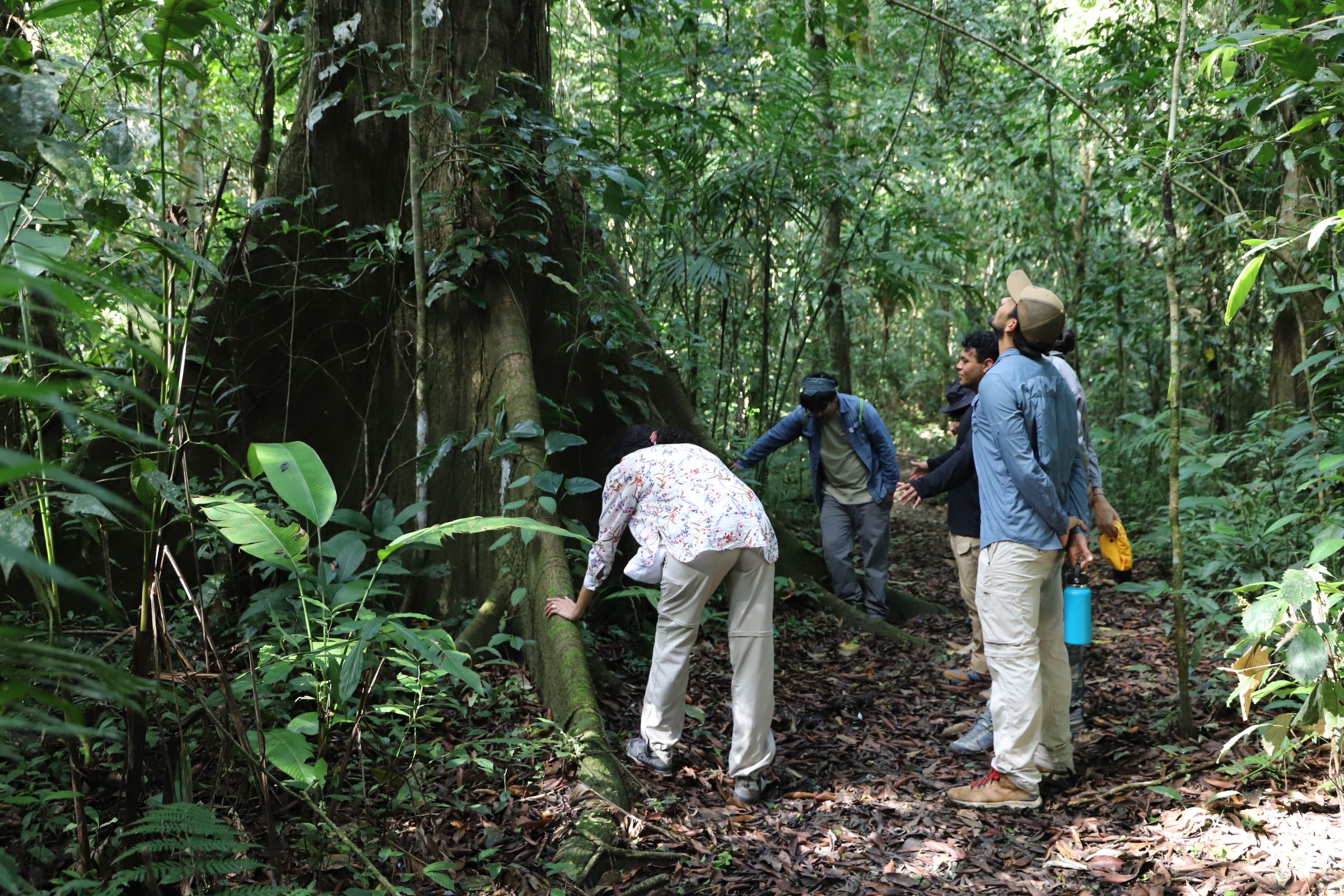
Navigating Implementation Challenges in Mexico’s Payments for Ecosystem Services (PES) Programs
Mexico’s Selva Lacandona, one of the world’s most biodiverse rainforests, contains some of the largest and best-preserved remnants of lower montane rainforest in Mexico and Central America. For nearly 20 years, Natura y Ecosistemas has worked with local communities to conserve forests and sustain ecosystem services through Mexico’s national Payment for Ecosystem Services (PES) programme.…
-
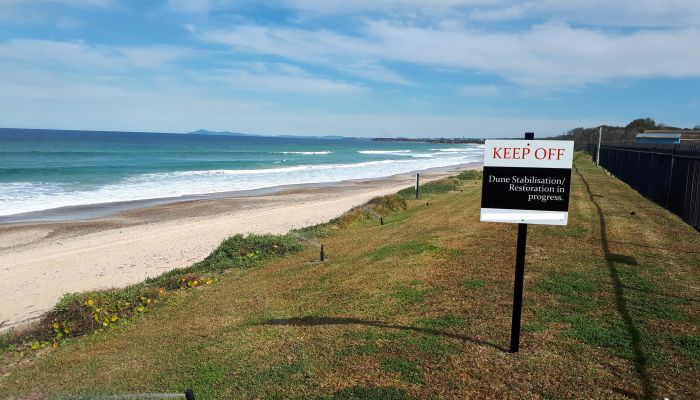
Achieving fair and collective adaptation to sea-level rise
How do communities work together to adapt to sea-level rise? Do the collective actions they initiate and engage in produce fair outcomes?
-
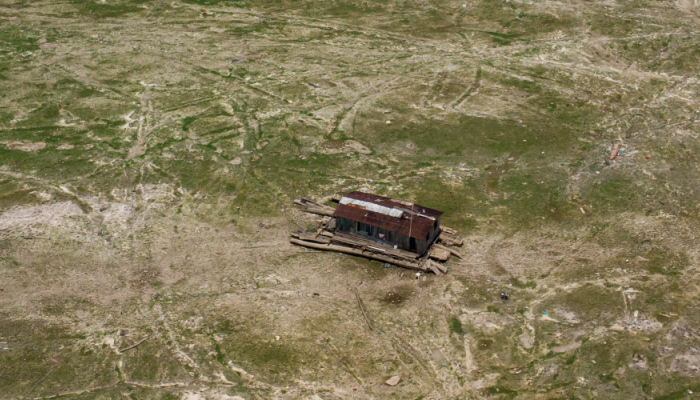
Amazon Droughts
The Amazon is increasingly affected by severe droughts, as seen in the 2023 event, which impacted over half a million people. These droughts, which have intensified since 2005, cause low water levels, fish kills, and disrupt river navigation, isolating rural and Indigenous communities. Studies show that nearly half of the non-Indigenous localities and over 50%…
-
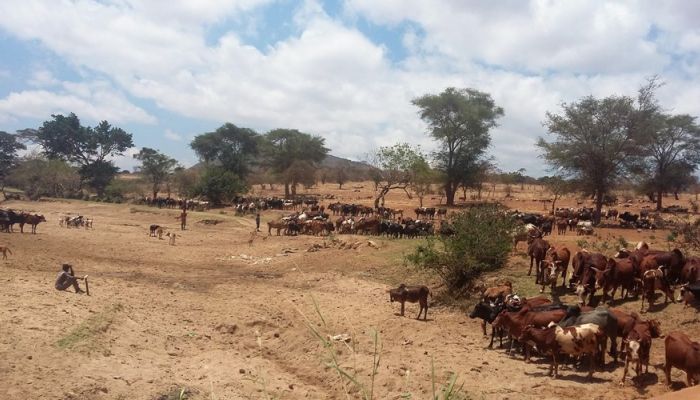
An eco-anthropological study of the customary-based management of pastoral resources among the Wahehe of Iringa in Tanzania
Customary common management systems have been recognized as a potential source of human livelihoods and environmental conservation. Despite this recognition and despite East Africa being a paradigmatic region for the study of pastoralism which is paradigmatic for the commons, the customary community-based management of pastoral resources and the existence of potential pastoral ICCAs in this…
-
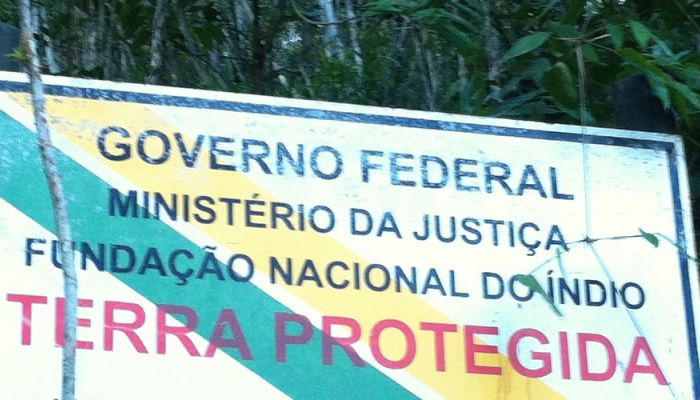
Assessing the effectiveness of community-based management strategies for biocultural conservation (COMBIOSERVE)
The COMBIOSERVE project consisted of a cross-country study (Mexico, Brazil, and Bolivia) to identify and analyse factors and processes contributing to the effectiveness of community conservation initiatives, and assist civil society organisations in co-enquiry and mutual learning by: The project resulted in several scientific publications, which you can find in the Publications section (e.g. Ruiz-Mallén…
-

Bio-Agro-diversity of past and present Mediterranean landscapes to face a common future (BioDivMeX WG4)
BioDivMeX’s Working Group 4 aims to develop a diachronic understanding of socio-ecological systems while crossing it with the current conflicts and threats to this enormous bio-cultural diversity found today in the Mediterranean. By relying on a transdisciplinary analysis of ecological and paleo-ecological, landscape, socio-anthropo-politological and climatologic approaches, we investigate the current bio-cultural diversity associated with…
-
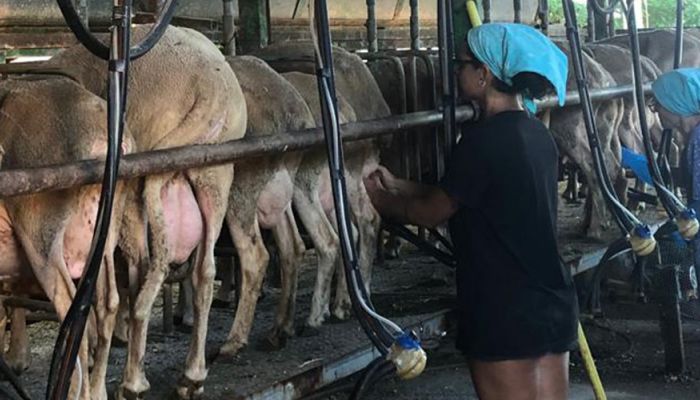
Collaborative conservation and coexistence with wolves through a feminist political ecology lens
The recovery of wolves across Europe’s rural landscapes is occurring alongside a deep crisis in the livestock breeding sector. Stalling sale prices of meat and dairy products, rising costs of agricultural inputs, reduced subsidies, and volatile climatic conditions are amplifying farmers’ vulnerability to predation and challenging their capacity to adapt to ecological change. While there…
-
Combining REDD, PFM and FSC certification in South-Eastern Tanzania
The project “Combining REDD, PFM and FSC certification in South-Eastern Tanzania” aimed to introduce Community Based Fire Management (CBFiM) and thereby use any REDD+ payments to cover the transaction costs of establishing PFM supported by FSC in five new villages and 5 existing PFM villages in Kilwa District, Tanzania. It was designed and implemented by…
-
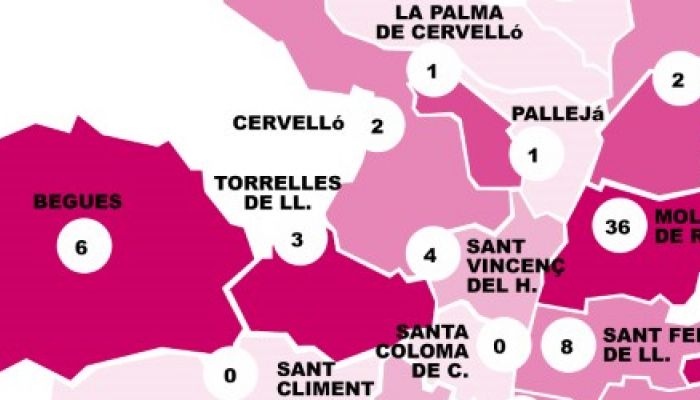
Commons-led coproduction in the Metropolitan Area of Barcelona: experiences and learning at territorial level
The project aims to improve the understanding of the commons in the Metropolitan Area of Barcelona to contribute to better promote collaboration between local governments and community-led organizations around Common-led coproduction and management. It aims to open a debate around Common-led coproduction as a new model of public administration and define together with commons groups,…
-
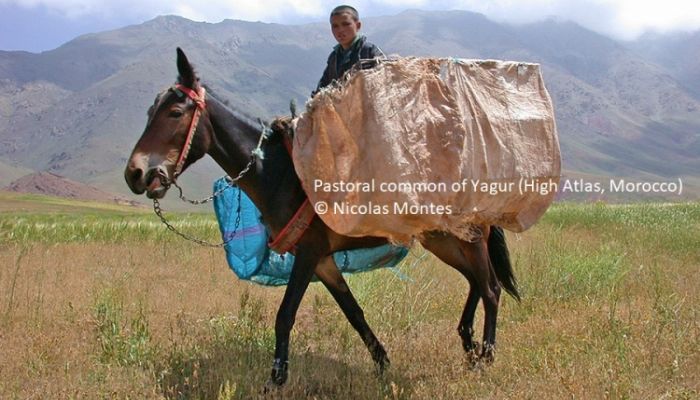
Communal governance systems, community engagement and public participation
Participatory governance and public participation through community engagement are increasingly recognized as key elements for the success of nature conservation and biodiversity enhancement. Communal Governance Systems (CGSs) play a crucial role in biodiversity conservation, with results from some studies showing that areas governed communally are ‘diversity hotspots’ because of the ancestral sustainable interaction between human…
-
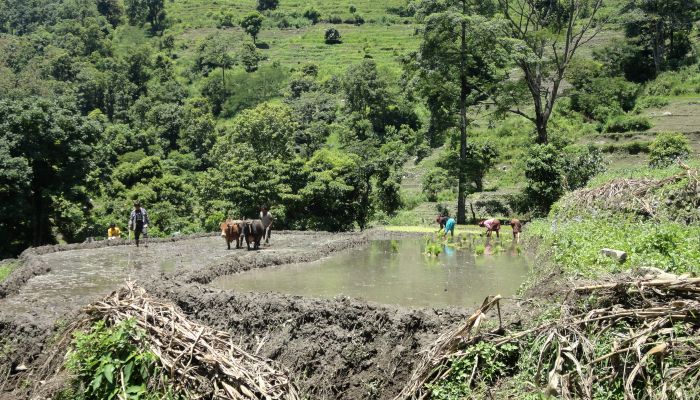
Conflict and Cooperation over REDD+ in Mexico, Nepal and Vietnam
The Conflict and cooperation over REDD+ in Mexico, Nepal and Vietnam project, funded by The Netherlands Scientific Organisation NWO, and the UK’s Department for International Development was an interdisciplinary cross-country project with a focus on analysis of conflicts and co-operation. Reducing Emissions from Deforestation and forest Degradation, and the enhancement and sustainable use of forest…
-
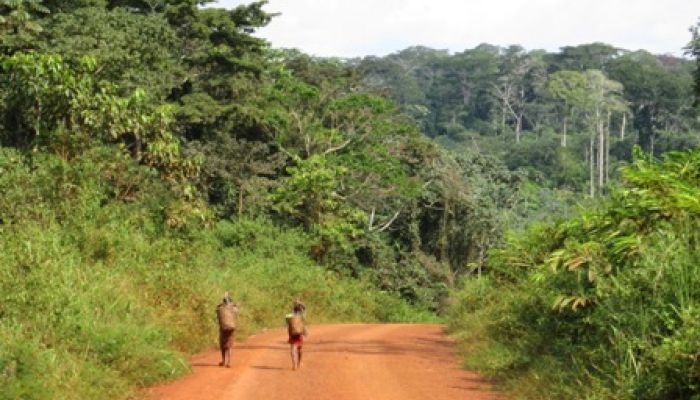
Construction ahead
Advocates argue that road building in low-income nations facilitates market access, promotes economic development, and improves canonical indicators of well-being in the orthodox approach to development. Detractors argue that road building has many ecological and social consequences. This project studied local attitudes towards the construction of a controversial road that would cross the Isiboro-Sécure National…
-
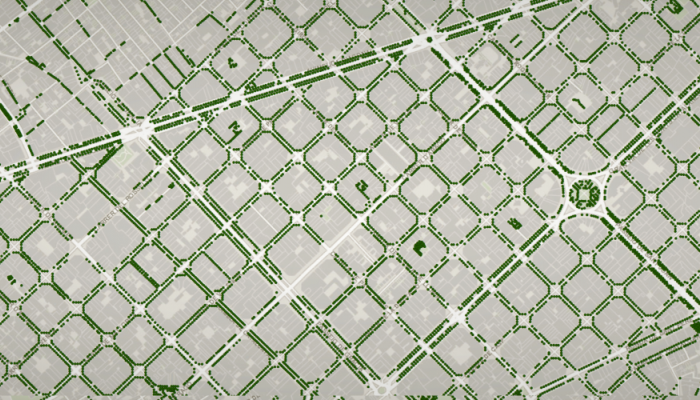
Ecosystem Services and Urban Environmental Justice: connections and implications
Cities have tended to show an unequal distribution of access to social services, infrastructures and livelihoods, as well as of environmental hazards and resources to respond to them. Socio-economic characteristics of the urban population can undermine the local capacity to adapt and respond to the increasing challenges and risks of climate change and urbanization. Urban…
-
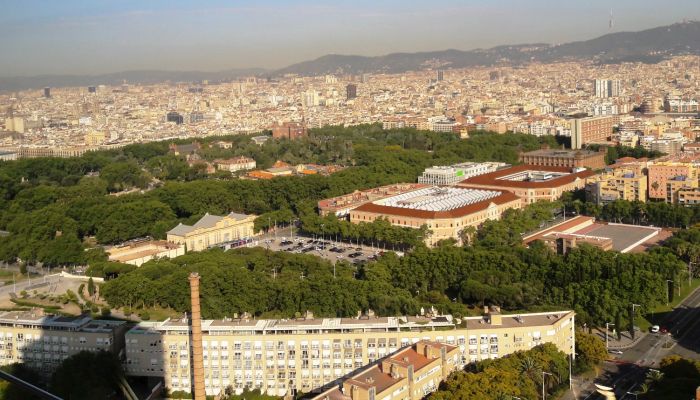
Enabling Green and Blue Infrastructure Potential in Complex Social-Ecological Regions (ENABLE)
In an increasingly urbanized world, Green-Based Infrastructure (GBI) has the potential to tackle multiple environmental and social challenges, such as human wellbeing, social inequality, biodiversity loss and climate change impacts such as flooding. However, the successful design and implementation of GBI requires careful consideration of a number of key aspects, including people’s perceptions of the…
-
Environmental conflicts through the lens of artwork and multimedia in waterscape transformations (CLAMOR)
How do artistic and multimedia creations in water-related conflicts represent and support transformative or restorative initiatives? CLAMOR will answer this question by cataloguing and analyzing cultural artefacts used in environmental conflicts: films, plastic arts (including banners), music and songs, and associated multimedia. To narrow down the action without disregarding societal and gender significance, the project…
-
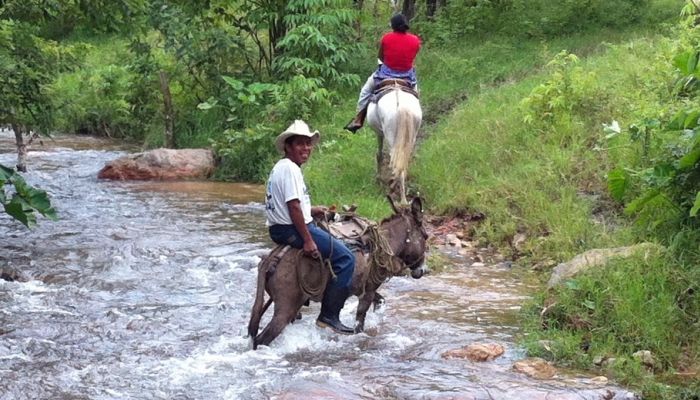
Framing Debates about Poverty Reduction and Ecosystem Services
In an important paper in Science ten years ago Adams and colleagues offered an analysis that clarified the confused debate that had arisen about the relationship between conservation policy and poverty reduction. The value of that paper was to hold up a mirror to a divided intellectual and policy-making constituency. It became a heuristic device…
-
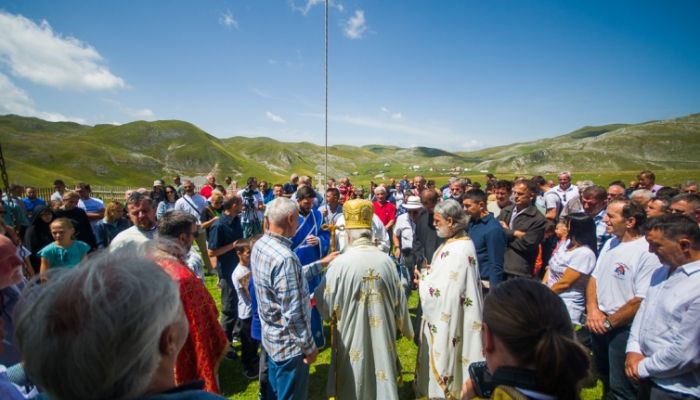
Inspiring rural heritage: sustainable practices to protect and conserve upland landscapes and memories (IRIS)
Europe’s upland landscapes are a rich and complex socio-ecological heritage, born of the interaction of nature and culture over millennia. Local communities play an active and essential role in conserving and protecting this heritage, while benefiting wider society. However, current conservation measures and land use decisions consistently fail to consider the historic dimension of mountain…
-
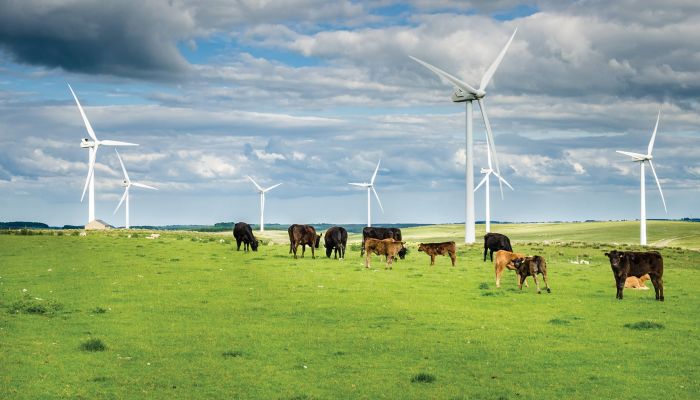
Integrating Valuations, Markets and Policies for Biodiversity and Ecosystem Services (INVALUABLE)
The project’s main objective was to clarify the potential of market-based instruments (MBIs) to better integrate biodiversity and ecosystem services into public policies, based on appropriate institutional arrangements. It developed: INVALUABLE results allowed researchers, decision-makers as well as practitioners to better grasp and clarify the MBI concept and its potential advantages and limits for biodiversity…
-

International cooperation to restore and connect urban environments in Latin America and Europe (INTERLACE)
The INTERLACE project aims to empower and equip European and CELAC cities to effectively restore and rehabilitate (peri)urban ecosystems towards more liveable, resilient and inclusive cities. The project applies an integrative, city-driven approach to address urban challenges through restorative nature-based solutions. A three-tiered mechanism for city and wider stakeholder exchange and learning will strengthen cooperation…
-
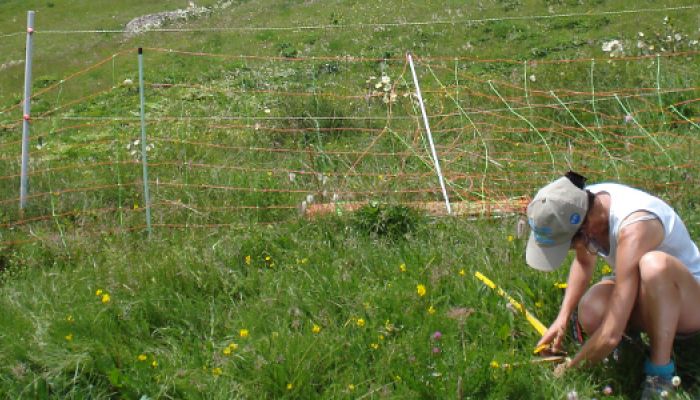
Linking biodiversity conservation and ecosystem services (CONNECT)
Biodiversity policy is increasingly influenced by evidence about the role of biodiversity in the provision of ecosystem services. However, the current state of scientific knowledge and empirical evidence is inconclusive and does not provide a sufficiently robust basis to make definite statements about whether securing the provision of specific ecosystem services will also guarantee biodiversity…
-
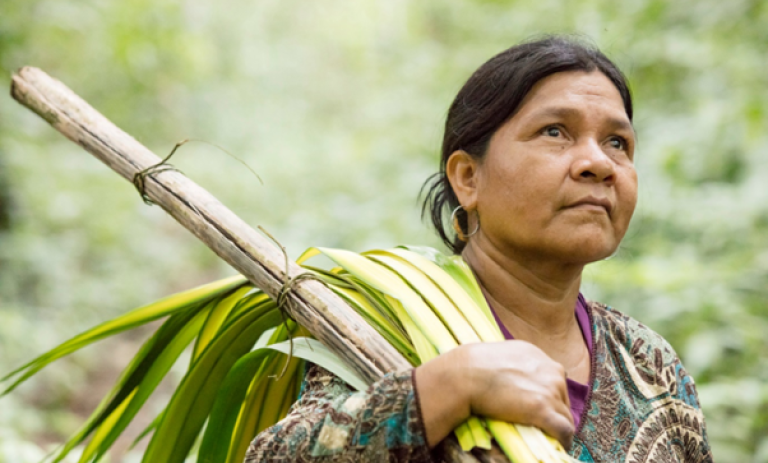
Local Indicators of Climate Change Impacts Observation Network – LICCION
The potential of Indigenous and Local knowledge to contribute to climate change research is being investigated by the Local Indicators of Climate Change Impacts (LICCI) project. Nevertheless, the LICCI research project does not sufficiently contribute to integrating these knowledge and perspectives into climate change research and policy. The LICCI Observation Network (LICCION), an EU-funded proof-of-concept…
-

Mapping and Assessment of Ecosystem Services in the Province of Barcelona within the Framework of the Territorial Information System for the Open Spaces Network (SITxell)
The main goal of this project is to map and assess ecosystem services in the Province of Barcelona and integrate them in the existing decision-support tool SITxell. This tool is used by the Barcelona Provincial Council to support municipalities in their revision of landscape and urban planning instruments and strategies. Specific objectives include:
-

NATure-based Urban innoVATION (NATURVATION)
Nature-Based Solutions (NBS) have the potential to respond to climate change, enhance biodiversity and improve environmental quality while contributing to economic regeneration and social well-being. Yet there is a substantial gap between the promise of NBS and their uptake. To unlock the potential of NBS for sustainable urban development, NATURVATION will take a transdisciplinary, internationally…
-

Nature’s integration in cities’ hydrologies, ecologies and societies (NICHES)
NICHES will contribute to an improved design and management of urban waterscapes by exploring the potential of nature-based solutions to mitigate urban runoff, flooding and sewer overflow events, thereby protecting aquatic biodiversity. Aquatic ecosystems are under increasing pressure from urbanisation, compounded by the escalating effects of climate change. With almost 60% of Europe’s water bodies…
-
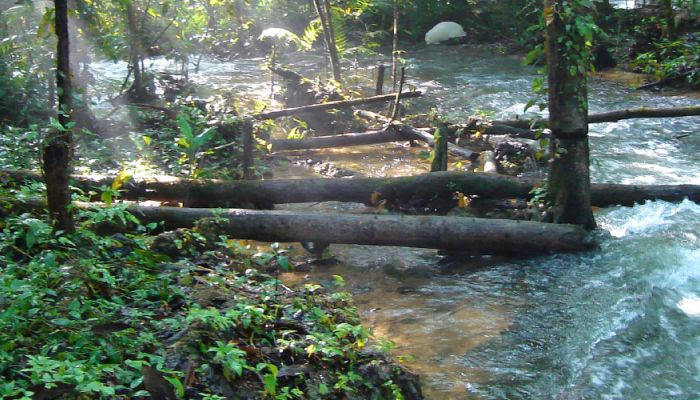
Navigating Implementation Challenges in Mexico’s Payments for Ecosystem Services (PES) Programs
The Selva Lacandona rainforest has been conserved for nearly 20 years through Mexico’s Payment for Ecosystem Services program, led by Natura y Ecosistemas. Recent budget cuts and rule changes hinder participation, so stakeholders will assess impacts on deforestation, livelihoods, and perceptions, and propose ways to strengthen the program.
-

On the Interface between Moroccan Agdals and the Arganeraie Biosphere Reserve
Community Conserved Areas (ICCAs) are traditional social-ecological governance systems for the collective and sustainable management of natural resources and are considered by the major international policies and programs as a key management regime. Despite this fact, today ICCAs (including Moroccan agdals) and the bio-cultural diversity they promote are experiencing a rapid process of degradation. On…
-
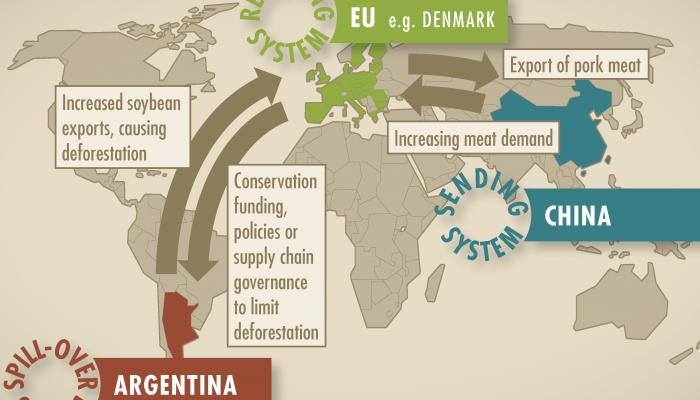
Operationalising telecouplings for solving sustainability challenges related to land-use (COUPLED)
This project focuses on telecoupling, a concept which helps to explain drivers and outcomes of land-use change by investigating the interrelationship between different actors, drivers, and feedback over long distances. Given Europe’s large and growing land-use footprint abroad, Europe has a special responsibility to develop concepts and tools needed to achieve sustainability in an interconnected…
-
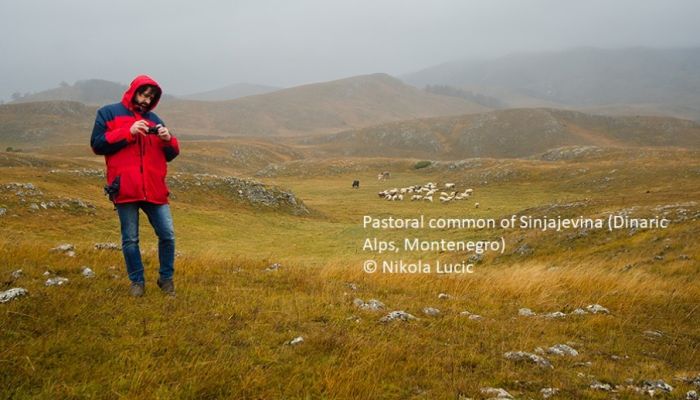
Pastoral Commons in the Montenegrin Mountains and processes of Heritization (COMPAS-MED-PAT)
There is a growing scientific awareness that pastoral commons are a positive management regime vis-à-vis society and sustainable environmental governance. Nevertheless, these are undergoing swift degradation processes. Heritagization has important assets that can contribute to solving key problems faced by Mediterranean pastoral commons. Hence the main goals of the project are: To achieve this, we…
-

Payments for Ecosystem Services: long-term Effectiveness and Motivations for the conservation of forest ecosystems (PES-EMOTIVE)
Global biodiversity loss and climate change mitigation are two of the greatest environmental challenges of our time. To partially address such challenges, Payments for Ecosystem or Environmental Services (PES) programs have disbursed billions of dollars of funding to rural communities and landowners in tropical and sub-tropical countries, conditional on the voluntary conservation of standing forests…
-
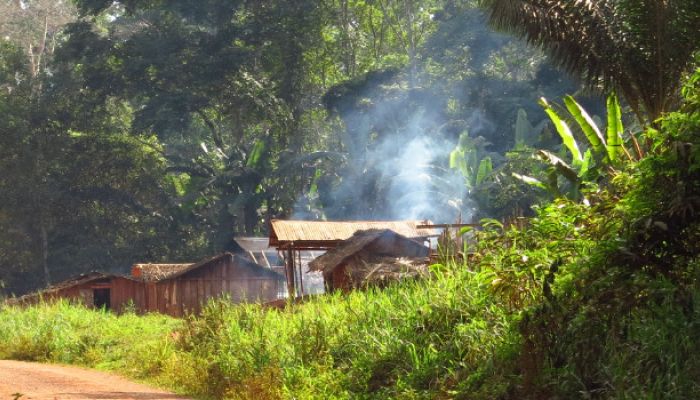
Resilience of Indigenous Peoples’ Health care system
How do the global climatic, ecological and socio-economical changes affect the capacity of human health system to prevent the emergence of new diseases? What are the social, cultural and ecological factors that enhance or break down the capacity of human health care system to absorb disturbances while retaining its basic function and structure, i.e. to…
-
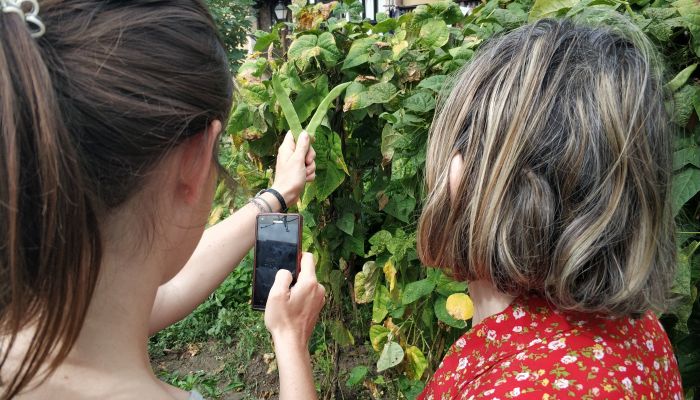
Sharing Traditional Ecological Knowledge (CONECT-e)
The main goal of this project is to develop and validate a new methodology that will broaden the basis on which TEK is collected while engaging citizens by: CONECTe holds the potential to document, share and protect TEK in an innovative way. As part of the project, we evaluate the need, impact, process and outcomes…
-
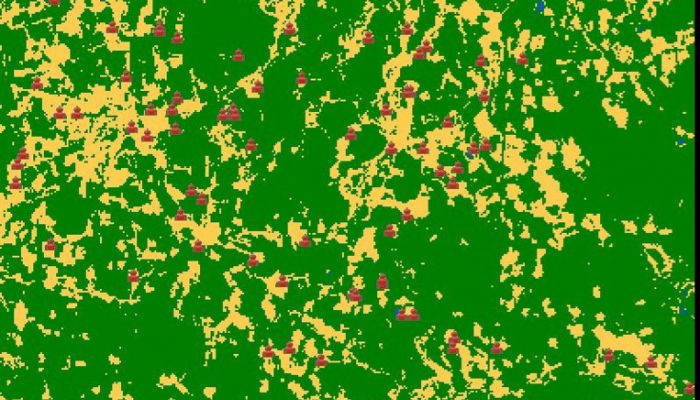
SimulPast
The project mission was to develop an innovative and interdisciplinary methodological framework to model and simulate ancient societies and their relationship with environmental transformations. The project aimed to define practical guidelines for simulation in the humanities and consolidate a new research line in the use of formal modelling and simulation to investigate past human societies…
-

Sistematización de las Soluciones Basadas en la Naturaleza en España (E:SBN)
Como país especialmente vulnerable al cambio climático, España debe hacer frente a importantes retos, riesgos e impactos a los que debe adaptarse de manera proactiva y reactiva. La falta de recursos hídricos, un aumento de las temperaturas, el incremento en la intensidad y volumen de los episodios de lluvias extremas están generando sequías, escasez de…
-
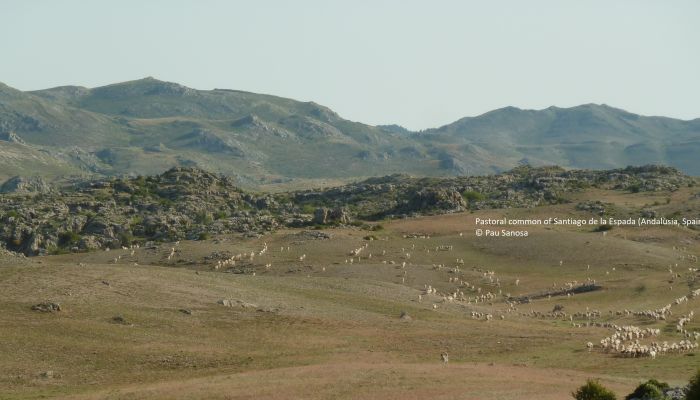
Socio-Ecological Heritization of ICCAs in Spain and Morocco (HERICCA)
There is a growing scientific awareness that Indigenous and Community Conserved Areas (hereafter ICCAs) are a positive management regime vis-à-vis local communities’ well-being and environmental conservation (e.g. http://www.iccaconsortium.org/ , www.iucn.org/about/union/commissions/ceesp/topics/governance/icca/). Nevertheless, ICCAs are generally undergoing swift degradation processes. As one of the key factors in such crisis we can point to important lacunas in the…
-

Socio-Ecological Heritization of Indigenous People and Community Conserved Areas in Taita hills, Kenya
Indigenous peoples’ and Community Conserved Areas (ICCAs) are now emerging as one of the key paradigms of conservation promoted by policy makers like the IUCN, UNEP, UNDP, etc. Nevertheless, the recognition of pastoral ICCAs in Africa and particularly Kenya is practically non-existent, which is astounding given that pastoralism is a sector that directly affects hundreds…
-

Sustainable Food Public Procurement in Spain: evidence to date and scaling opportunities
The project analyses existing initiatives in sustainable public food procurement in Spain (SFPP) to provide lessons into where and how to carry out the necessary modifications to achieve their long-term expectation and development in view of sustainability transitions in food systems. To do so, the project provides a database of current SFPP initiatives in Spain,…
-

The ‘Book of Fountains’ (1650): Water Knowledge Codification as Adaptation to Drought in Early Modern Barcelona
Around midday January 5, 1634, the fountains of Barcelona’s Cathedral stopped flowing. Francesc Socies, the city’s master of fountains (“mestre de les fonts”) had cut the water supply to the church, which was accused of using it to bake bread and sell it illegally. Deeply offended, the Cathedral’s chapter excommunicated Socies and the city’s leaders,…
-

The adaptive nature of culture (LEK)
This project collected real world data to test a pathway through which cultural knowledge might enhance human adaptive strategy: the individual returns to culturally evolved and environment-specific knowledge. The project was based on six sets of comparable panel data collected in three foraging societies: the Tsimane’ (Amazonia), the Baka (Congo Basin), and the Punan Tubu…
-
The roll-out of market-based environmental management in the European Union
Funded by the National Science Foundation of the USA, and led by the University of Indiana, this project analyzed the introduction of market-based conservation policies, particularly habitat banking, in the EU as a test-case for the global feasibility of such approaches. While market-based approaches to conservation have been in play in the USA for nearly…
-

Tsimane’ Amazonian Panel Study (TAPS)
TAPS collected longitudinal data amon the Tsimane’, a native Amazonian society of horticulturalists and foragers who live mostly in the department of Beni, Bolivia. Every year for nine consecutive years (2002-2010) a multidisciplinary, international team of researchers and Tsimane’ assistants measured socio-cultural and anthropometric variables among all Tsimane’ living in 13 villages along the Maniqui…
-
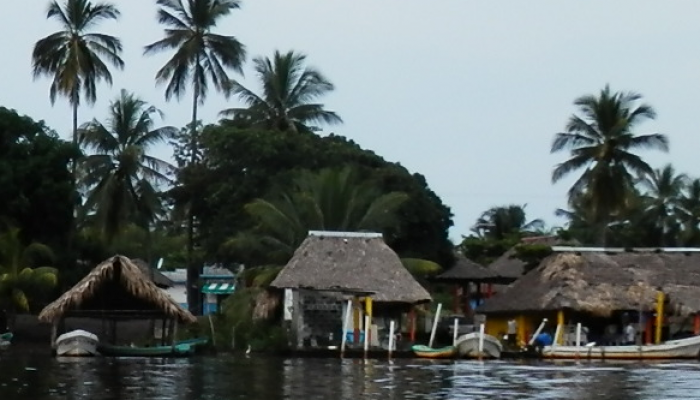
Unravelling the performance of co-managed small-scale fisheries. A case study in La Encrucijada Biosphere Reserve, Mexico
This doctoral project investigates the characteristics and outcomes of co-managed small-scale fisheries through, first, a systematic review of cases around the world and, second, examining a specific co-managed small-scale fishery located in La Encrucijada Biosphere Reserve, Chiapas, Mexico. This protected area shelters an important fish diversity that is the main source of livelihoods for the…
-

Vulnerabilidad Socio-Ambiental en la España rural (SEVERAS)
SEVERAS reunirá datos climáticos, censales, de uso del suelo y de desarrollo rural, hasta ahora desconectados, en una base de datos socioambiental única. Los datos se utilizán para calcular un índice de vulnerabilidad rural en España. El índice se elaborará y validará con las principales partes interesadas a través de talleres de planificación participativa («laboratorios…
-
Achieving fair and collective adaptation to sea-level rise
How do communities work together to adapt to sea-level rise? Do the collective actions they initiate and engage in produce fair outcomes?
-
Amazon Droughts
The Amazon is increasingly affected by severe droughts, as seen in the 2023 event, which impacted over half a million people. These droughts, which have intensified since 2005, cause low water levels, fish kills, and disrupt river navigation, isolating rural and Indigenous communities. Studies show that nearly half of the non-Indigenous localities and over 50%…
-
An eco-anthropological study of the customary-based management of pastoral resources among the Wahehe of Iringa in Tanzania
Customary common management systems have been recognized as a potential source of human livelihoods and environmental conservation. Despite this recognition and despite East Africa being a paradigmatic region for the study of pastoralism which is paradigmatic for the commons, the customary community-based management of pastoral resources and the existence of potential pastoral ICCAs in this…
-
Assessing the effectiveness of community-based management strategies for biocultural conservation (COMBIOSERVE)
The COMBIOSERVE project consisted of a cross-country study (Mexico, Brazil, and Bolivia) to identify and analyse factors and processes contributing to the effectiveness of community conservation initiatives, and assist civil society organisations in co-enquiry and mutual learning by: The project resulted in several scientific publications, which you can find in the Publications section (e.g. Ruiz-Mallén…
-
BIG-5
The BIG-5 project suggests that while direct experiences of nature may be declining, the internet and social media provide new ways to engage with and appreciate nature.
-
Bio-Agro-diversity of past and present Mediterranean landscapes to face a common future (BioDivMeX WG4)
BioDivMeX’s Working Group 4 aims to develop a diachronic understanding of socio-ecological systems while crossing it with the current conflicts and threats to this enormous bio-cultural diversity found today in the Mediterranean. By relying on a transdisciplinary analysis of ecological and paleo-ecological, landscape, socio-anthropo-politological and climatologic approaches, we investigate the current bio-cultural diversity associated with…
-
Climate change and Indigenous People and local communities. A new online course
Climate change impacts vary among different social groups, who perceive and adapt to it in different ways. In this course, students will: a) understand the differentiated impacts that climate change has on Indigenous Peoples and local communities (IPLC), b) familiarize themselves with different responses to climate change impacts led by IPLC, and c) learn about…
-
Collaborative conservation and coexistence with wolves through a feminist political ecology lens
The recovery of wolves across Europe’s rural landscapes is occurring alongside a deep crisis in the livestock breeding sector. Stalling sale prices of meat and dairy products, rising costs of agricultural inputs, reduced subsidies, and volatile climatic conditions are amplifying farmers’ vulnerability to predation and challenging their capacity to adapt to ecological change. While there…
-
Combining REDD, PFM and FSC certification in South-Eastern Tanzania
The project “Combining REDD, PFM and FSC certification in South-Eastern Tanzania” aimed to introduce Community Based Fire Management (CBFiM) and thereby use any REDD+ payments to cover the transaction costs of establishing PFM supported by FSC in five new villages and 5 existing PFM villages in Kilwa District, Tanzania. It was designed and implemented by…
-
Commit2Green
C2G applies an ecosystem services-based approach to decision-making, focusing on both the supply (existing environmental performance) and the demand (community-identified needs) of ecosystem services.
-
Commons-led coproduction in the Metropolitan Area of Barcelona: experiences and learning at territorial level
The project aims to improve the understanding of the commons in the Metropolitan Area of Barcelona to contribute to better promote collaboration between local governments and community-led organizations around Common-led coproduction and management. It aims to open a debate around Common-led coproduction as a new model of public administration and define together with commons groups,…
-
Communal governance systems, community engagement and public participation
Participatory governance and public participation through community engagement are increasingly recognized as key elements for the success of nature conservation and biodiversity enhancement. Communal Governance Systems (CGSs) play a crucial role in biodiversity conservation, with results from some studies showing that areas governed communally are ‘diversity hotspots’ because of the ancestral sustainable interaction between human…
-
CONDJUST
CONDJUST is an ERC funded project that works with conservation models and communities of practice to develop new theories and practices of socially just decolonised conservation.
-
Conflict and Cooperation over REDD+ in Mexico, Nepal and Vietnam
The Conflict and cooperation over REDD+ in Mexico, Nepal and Vietnam project, funded by The Netherlands Scientific Organisation NWO, and the UK’s Department for International Development was an interdisciplinary cross-country project with a focus on analysis of conflicts and co-operation. Reducing Emissions from Deforestation and forest Degradation, and the enhancement and sustainable use of forest…
-
Construction ahead
Advocates argue that road building in low-income nations facilitates market access, promotes economic development, and improves canonical indicators of well-being in the orthodox approach to development. Detractors argue that road building has many ecological and social consequences. This project studied local attitudes towards the construction of a controversial road that would cross the Isiboro-Sécure National…
-
Ecosystem Services and Urban Environmental Justice: connections and implications
Cities have tended to show an unequal distribution of access to social services, infrastructures and livelihoods, as well as of environmental hazards and resources to respond to them. Socio-economic characteristics of the urban population can undermine the local capacity to adapt and respond to the increasing challenges and risks of climate change and urbanization. Urban…
-
Enabling Green and Blue Infrastructure Potential in Complex Social-Ecological Regions (ENABLE)
In an increasingly urbanized world, Green-Based Infrastructure (GBI) has the potential to tackle multiple environmental and social challenges, such as human wellbeing, social inequality, biodiversity loss and climate change impacts such as flooding. However, the successful design and implementation of GBI requires careful consideration of a number of key aspects, including people’s perceptions of the…
-
Environmental conflicts through the lens of artwork and multimedia in waterscape transformations (CLAMOR)
How do artistic and multimedia creations in water-related conflicts represent and support transformative or restorative initiatives? CLAMOR will answer this question by cataloguing and analyzing cultural artefacts used in environmental conflicts: films, plastic arts (including banners), music and songs, and associated multimedia. To narrow down the action without disregarding societal and gender significance, the project…
-
FairNature
Practical guide to scaling Nature-based Solutions How can we promote a sustainable and just future while staying within planetary boundaries? Nature-based Solutions (NbS) are part of the answer – NbS aim to develop solutions that work with nature to support both society and the environment. Many pilot NbS exist, but few are implemented on a…
-
Framing Debates about Poverty Reduction and Ecosystem Services
In an important paper in Science ten years ago Adams and colleagues offered an analysis that clarified the confused debate that had arisen about the relationship between conservation policy and poverty reduction. The value of that paper was to hold up a mirror to a divided intellectual and policy-making constituency. It became a heuristic device…
-
IEK-CHANGES
Assessing long-term changes in Indigenous Environmental Knowledge Ethnobiological research provides contradictory evidence of changes in Indigenous Environmental Knowledge (IEK) systems, with some studies suggesting processes of knowledge erosion and others emphasizing adaptability and resilience. The ecological impacts of such changes are also largely unknown, given that ethnobiologists generally lack diachronic or longitudinal data for the…
-
Indigenous land-based stewardship from local to global scales
This project aims to quantitatively explore the role of Indigenous Peoples in defending their territories in the face of rapidly expanding commodity and extractive frontiers. This will be done by: (1) assessing emerging threats to Indigenous land-based stewardship across scales, as well as the factors shaping success in Indigenous Peoples’ resistance movements against commodity and…
-
Inspiring rural heritage: sustainable practices to protect and conserve upland landscapes and memories (IRIS)
Europe’s upland landscapes are a rich and complex socio-ecological heritage, born of the interaction of nature and culture over millennia. Local communities play an active and essential role in conserving and protecting this heritage, while benefiting wider society. However, current conservation measures and land use decisions consistently fail to consider the historic dimension of mountain…
-
Integrating Valuations, Markets and Policies for Biodiversity and Ecosystem Services (INVALUABLE)
The project’s main objective was to clarify the potential of market-based instruments (MBIs) to better integrate biodiversity and ecosystem services into public policies, based on appropriate institutional arrangements. It developed: INVALUABLE results allowed researchers, decision-makers as well as practitioners to better grasp and clarify the MBI concept and its potential advantages and limits for biodiversity…
-
International cooperation to restore and connect urban environments in Latin America and Europe (INTERLACE)
The INTERLACE project aims to empower and equip European and CELAC cities to effectively restore and rehabilitate (peri)urban ecosystems towards more liveable, resilient and inclusive cities. The project applies an integrative, city-driven approach to address urban challenges through restorative nature-based solutions. A three-tiered mechanism for city and wider stakeholder exchange and learning will strengthen cooperation…
-
Land and life in the Anthropocene: Landscape reform (LAND)
A novel 4Ps framework to investigate land–life dynamics, which, for the first time, will connect perspectives on human–nonhuman relations, property-making, land regimes and land–climate systems.
-
Linking biodiversity conservation and ecosystem services (CONNECT)
Biodiversity policy is increasingly influenced by evidence about the role of biodiversity in the provision of ecosystem services. However, the current state of scientific knowledge and empirical evidence is inconclusive and does not provide a sufficiently robust basis to make definite statements about whether securing the provision of specific ecosystem services will also guarantee biodiversity…
-
Local Indicators of Climate Change Impacts Observation Network – LICCION
The potential of Indigenous and Local knowledge to contribute to climate change research is being investigated by the Local Indicators of Climate Change Impacts (LICCI) project. Nevertheless, the LICCI research project does not sufficiently contribute to integrating these knowledge and perspectives into climate change research and policy. The LICCI Observation Network (LICCION), an EU-funded proof-of-concept…
-
Mapping and Assessment of Ecosystem Services in the Province of Barcelona within the Framework of the Territorial Information System for the Open Spaces Network (SITxell)
The main goal of this project is to map and assess ecosystem services in the Province of Barcelona and integrate them in the existing decision-support tool SITxell. This tool is used by the Barcelona Provincial Council to support municipalities in their revision of landscape and urban planning instruments and strategies. Specific objectives include:
-
NATure-based Urban innoVATION (NATURVATION)
Nature-Based Solutions (NBS) have the potential to respond to climate change, enhance biodiversity and improve environmental quality while contributing to economic regeneration and social well-being. Yet there is a substantial gap between the promise of NBS and their uptake. To unlock the potential of NBS for sustainable urban development, NATURVATION will take a transdisciplinary, internationally…
-
Nature’s integration in cities’ hydrologies, ecologies and societies (NICHES)
NICHES will contribute to an improved design and management of urban waterscapes by exploring the potential of nature-based solutions to mitigate urban runoff, flooding and sewer overflow events, thereby protecting aquatic biodiversity. Aquatic ecosystems are under increasing pressure from urbanisation, compounded by the escalating effects of climate change. With almost 60% of Europe’s water bodies…
-
Navigating Implementation Challenges in Mexico’s Payments for Ecosystem Services (PES) Programs
Mexico’s Selva Lacandona, one of the world’s most biodiverse rainforests, contains some of the largest and best-preserved remnants of lower montane rainforest in Mexico and Central America. For nearly 20 years, Natura y Ecosistemas has worked with local communities to conserve forests and sustain ecosystem services through Mexico’s national Payment for Ecosystem Services (PES) programme.…
-
Navigating Implementation Challenges in Mexico’s Payments for Ecosystem Services (PES) Programs
The Selva Lacandona rainforest has been conserved for nearly 20 years through Mexico’s Payment for Ecosystem Services program, led by Natura y Ecosistemas. Recent budget cuts and rule changes hinder participation, so stakeholders will assess impacts on deforestation, livelihoods, and perceptions, and propose ways to strengthen the program.
-
On the Interface between Moroccan Agdals and the Arganeraie Biosphere Reserve
Community Conserved Areas (ICCAs) are traditional social-ecological governance systems for the collective and sustainable management of natural resources and are considered by the major international policies and programs as a key management regime. Despite this fact, today ICCAs (including Moroccan agdals) and the bio-cultural diversity they promote are experiencing a rapid process of degradation. On…
-
Operationalising telecouplings for solving sustainability challenges related to land-use (COUPLED)
This project focuses on telecoupling, a concept which helps to explain drivers and outcomes of land-use change by investigating the interrelationship between different actors, drivers, and feedback over long distances. Given Europe’s large and growing land-use footprint abroad, Europe has a special responsibility to develop concepts and tools needed to achieve sustainability in an interconnected…
-
Pastoral Commons in the Montenegrin Mountains and processes of Heritization (COMPAS-MED-PAT)
There is a growing scientific awareness that pastoral commons are a positive management regime vis-à-vis society and sustainable environmental governance. Nevertheless, these are undergoing swift degradation processes. Heritagization has important assets that can contribute to solving key problems faced by Mediterranean pastoral commons. Hence the main goals of the project are: To achieve this, we…
-
Payments for Ecosystem Services: long-term Effectiveness and Motivations for the conservation of forest ecosystems (PES-EMOTIVE)
Global biodiversity loss and climate change mitigation are two of the greatest environmental challenges of our time. To partially address such challenges, Payments for Ecosystem or Environmental Services (PES) programs have disbursed billions of dollars of funding to rural communities and landowners in tropical and sub-tropical countries, conditional on the voluntary conservation of standing forests…
-
Resilience of Indigenous Peoples’ Health care system
How do the global climatic, ecological and socio-economical changes affect the capacity of human health system to prevent the emergence of new diseases? What are the social, cultural and ecological factors that enhance or break down the capacity of human health care system to absorb disturbances while retaining its basic function and structure, i.e. to…
-
Sharing Traditional Ecological Knowledge (CONECT-e)
The main goal of this project is to develop and validate a new methodology that will broaden the basis on which TEK is collected while engaging citizens by: CONECTe holds the potential to document, share and protect TEK in an innovative way. As part of the project, we evaluate the need, impact, process and outcomes…
-
SimulPast
The project mission was to develop an innovative and interdisciplinary methodological framework to model and simulate ancient societies and their relationship with environmental transformations. The project aimed to define practical guidelines for simulation in the humanities and consolidate a new research line in the use of formal modelling and simulation to investigate past human societies…
-
Sistematización de las Soluciones Basadas en la Naturaleza en España (E:SBN)
Como país especialmente vulnerable al cambio climático, España debe hacer frente a importantes retos, riesgos e impactos a los que debe adaptarse de manera proactiva y reactiva. La falta de recursos hídricos, un aumento de las temperaturas, el incremento en la intensidad y volumen de los episodios de lluvias extremas están generando sequías, escasez de…
-
Socio-Ecological Heritization of ICCAs in Spain and Morocco (HERICCA)
There is a growing scientific awareness that Indigenous and Community Conserved Areas (hereafter ICCAs) are a positive management regime vis-à-vis local communities’ well-being and environmental conservation (e.g. http://www.iccaconsortium.org/ , www.iucn.org/about/union/commissions/ceesp/topics/governance/icca/). Nevertheless, ICCAs are generally undergoing swift degradation processes. As one of the key factors in such crisis we can point to important lacunas in the…
-
Socio-Ecological Heritization of Indigenous People and Community Conserved Areas in Taita hills, Kenya
Indigenous peoples’ and Community Conserved Areas (ICCAs) are now emerging as one of the key paradigms of conservation promoted by policy makers like the IUCN, UNEP, UNDP, etc. Nevertheless, the recognition of pastoral ICCAs in Africa and particularly Kenya is practically non-existent, which is astounding given that pastoralism is a sector that directly affects hundreds…
-
Sustainable Food Public Procurement in Spain: evidence to date and scaling opportunities
The project analyses existing initiatives in sustainable public food procurement in Spain (SFPP) to provide lessons into where and how to carry out the necessary modifications to achieve their long-term expectation and development in view of sustainability transitions in food systems. To do so, the project provides a database of current SFPP initiatives in Spain,…
-
The ‘Book of Fountains’ (1650): Water Knowledge Codification as Adaptation to Drought in Early Modern Barcelona
Around midday January 5, 1634, the fountains of Barcelona’s Cathedral stopped flowing. Francesc Socies, the city’s master of fountains (“mestre de les fonts”) had cut the water supply to the church, which was accused of using it to bake bread and sell it illegally. Deeply offended, the Cathedral’s chapter excommunicated Socies and the city’s leaders,…
-
The adaptive nature of culture (LEK)
This project collected real world data to test a pathway through which cultural knowledge might enhance human adaptive strategy: the individual returns to culturally evolved and environment-specific knowledge. The project was based on six sets of comparable panel data collected in three foraging societies: the Tsimane’ (Amazonia), the Baka (Congo Basin), and the Punan Tubu…
-
The roll-out of market-based environmental management in the European Union
Funded by the National Science Foundation of the USA, and led by the University of Indiana, this project analyzed the introduction of market-based conservation policies, particularly habitat banking, in the EU as a test-case for the global feasibility of such approaches. While market-based approaches to conservation have been in play in the USA for nearly…
-
Tsimane’ Amazonian Panel Study (TAPS)
TAPS collected longitudinal data amon the Tsimane’, a native Amazonian society of horticulturalists and foragers who live mostly in the department of Beni, Bolivia. Every year for nine consecutive years (2002-2010) a multidisciplinary, international team of researchers and Tsimane’ assistants measured socio-cultural and anthropometric variables among all Tsimane’ living in 13 villages along the Maniqui…
-
Unravelling the performance of co-managed small-scale fisheries. A case study in La Encrucijada Biosphere Reserve, Mexico
This doctoral project investigates the characteristics and outcomes of co-managed small-scale fisheries through, first, a systematic review of cases around the world and, second, examining a specific co-managed small-scale fishery located in La Encrucijada Biosphere Reserve, Chiapas, Mexico. This protected area shelters an important fish diversity that is the main source of livelihoods for the…
-
Vulnerabilidad Socio-Ambiental en la España rural (SEVERAS)
SEVERAS reunirá datos climáticos, censales, de uso del suelo y de desarrollo rural, hasta ahora desconectados, en una base de datos socioambiental única. Los datos se utilizán para calcular un índice de vulnerabilidad rural en España. El índice se elaborará y validará con las principales partes interesadas a través de talleres de planificación participativa («laboratorios…