-

School greening: right or privilege? The case of Barcelona
A mounting body of research shows strong positive associations between urban nature and child well-being, including benefits related to mental and physical health. For example, children’s exposure to urban green spaces has been associated with improvements of attention-deficit/hyperactivity disorder’s (ADHD) symptoms. There is also evidence on the positive impact of urban nature on child behavioral…
-

LICCI project is hiring Data Scientist!
We are looking for a data scientist for the ERC funded project “Local Indicators of Climate Change Impacts. The Contribution of Local Knowledge to Climate Change Research”
-

Towards an emission reduction protocol
As many of our colleagues [2, 3] in the field of environmental science, we find ourselves in a dilemma. We are aware of the fact that emissions from traveling are a big part of the causes of climate change. Meanwhile, our research leads many of us to travel frequently by plane to conferences, fieldwork and…
-

One-year post-doctoral research contract on rural vulnerability
We are looking for an experienced postdoctoral researcher to lead the development and calculus of a Rural Vulnerability Index in rural Spain.
-
The value of public green spaces in times of Covid-19
The possibility to perform outdoor physical recreation, to appreciate the scenic quality of a landscape and to enjoy outdoor time with friends and family are only some among the multiple benefits that can be enjoyed in public green spaces. Yet, unequal patterns of public green spaces access result in the unequal distribution of those benefits.
-

Academia in the time of Covid-19: Our chance to develop an ethics of care
In this opinion piece, the authors reflect on how the COVID-19 pandemic impacts academia. They suggest using this disruption as an opportunity to transform university culture by promoting an ethics of care, prioritizing the important over the urgent, adapting research and teaching, and building a more humane, sustainable, and empathetic academic environment.
-

Amplifying women’s voices: researchers who have inspired us
We are facing an unprecedented time of uncertainty with the current global crisis of Covid-19, and many of us are confined in our homes, following with concern and through our networks how the pandemic spreads. This extraordinary time will undoubtedly allow us to re-think the links between this crisis and the broader socio-economic and environmental…
-
How to run a transdisciplinary workshop
Transdisciplinary projects that bring together researchers, policy makers, practitioners, industry and citizens, provide one avenue for holistically addressing complex real-world problems. But without clear guidelines on how to bring such a diverse group of people together it is difficult to build the working relationships needed to make transdisciplinary endeavours a success. We know that we…
-
Indigenous peoples fight environmental pollution
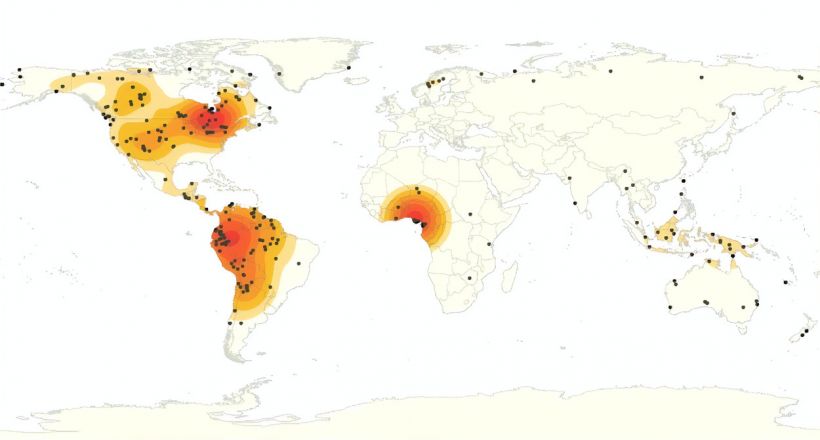
IPs are amongst the populations at highest risk of impact by environmental pollution for two main reasons.
-
Can trees address environmental inequities in Mediterranean cities?
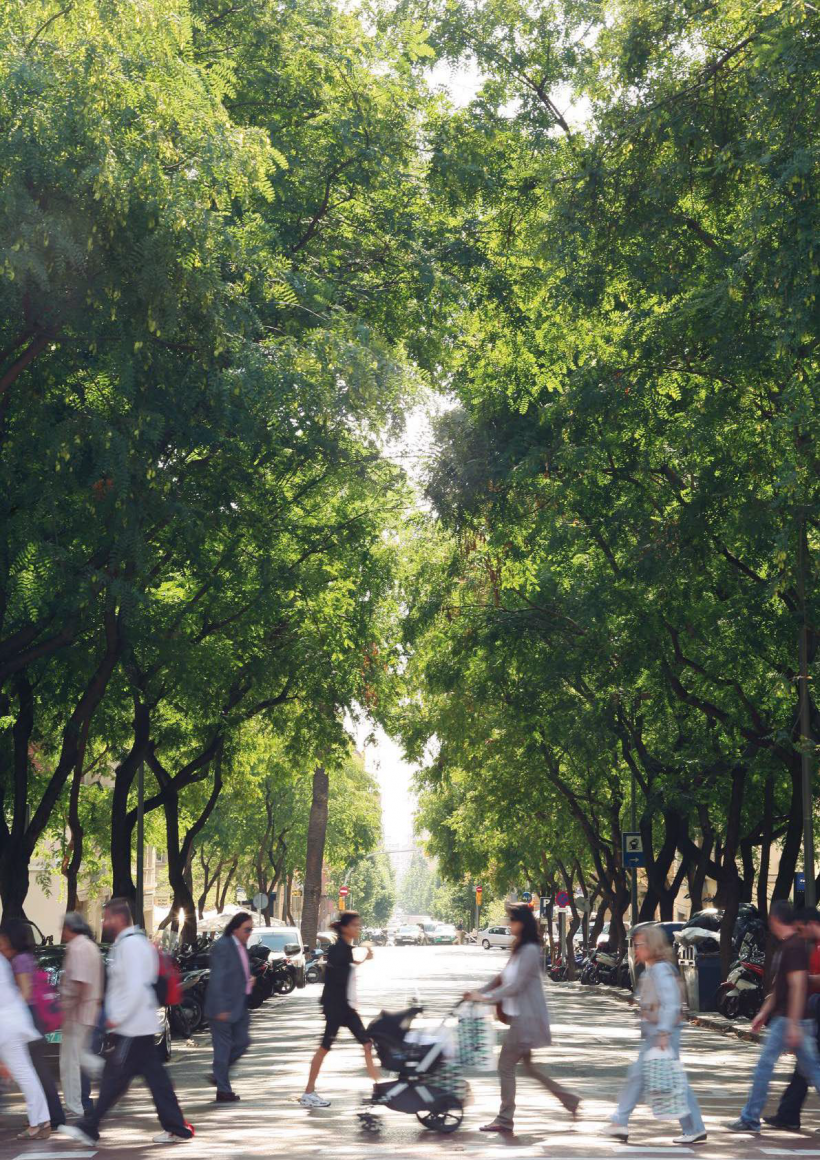
While the uneven distribution of street tree benefits in Barcelona favors elderly residents in particular and partially compensates for the lack of larger green spaces in several districts, it is clear that street trees must be accompanied by other sustainable mobility measures to advance urban environmental health and justice.