-

The ‘Book of Fountains’ (1650): Water Knowledge Codification as Adaptation to Drought in Early Modern Barcelona
Around midday January 5, 1634, the fountains of Barcelona’s Cathedral stopped flowing. Francesc Socies, the city’s master of fountains (“mestre de les fonts”) had cut the water supply to the church, which was accused of using it to bake bread and sell it illegally. Deeply offended, the Cathedral’s chapter excommunicated Socies and the city’s leaders,…
-
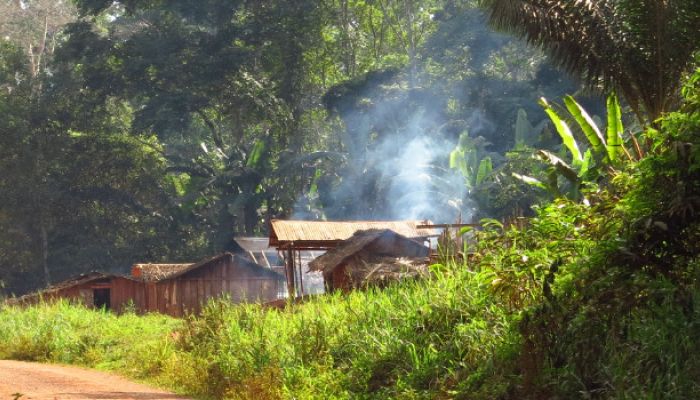
Resilience of Indigenous Peoples’ Health care system
How do the global climatic, ecological and socio-economical changes affect the capacity of human health system to prevent the emergence of new diseases? What are the social, cultural and ecological factors that enhance or break down the capacity of human health care system to absorb disturbances while retaining its basic function and structure, i.e. to…
-
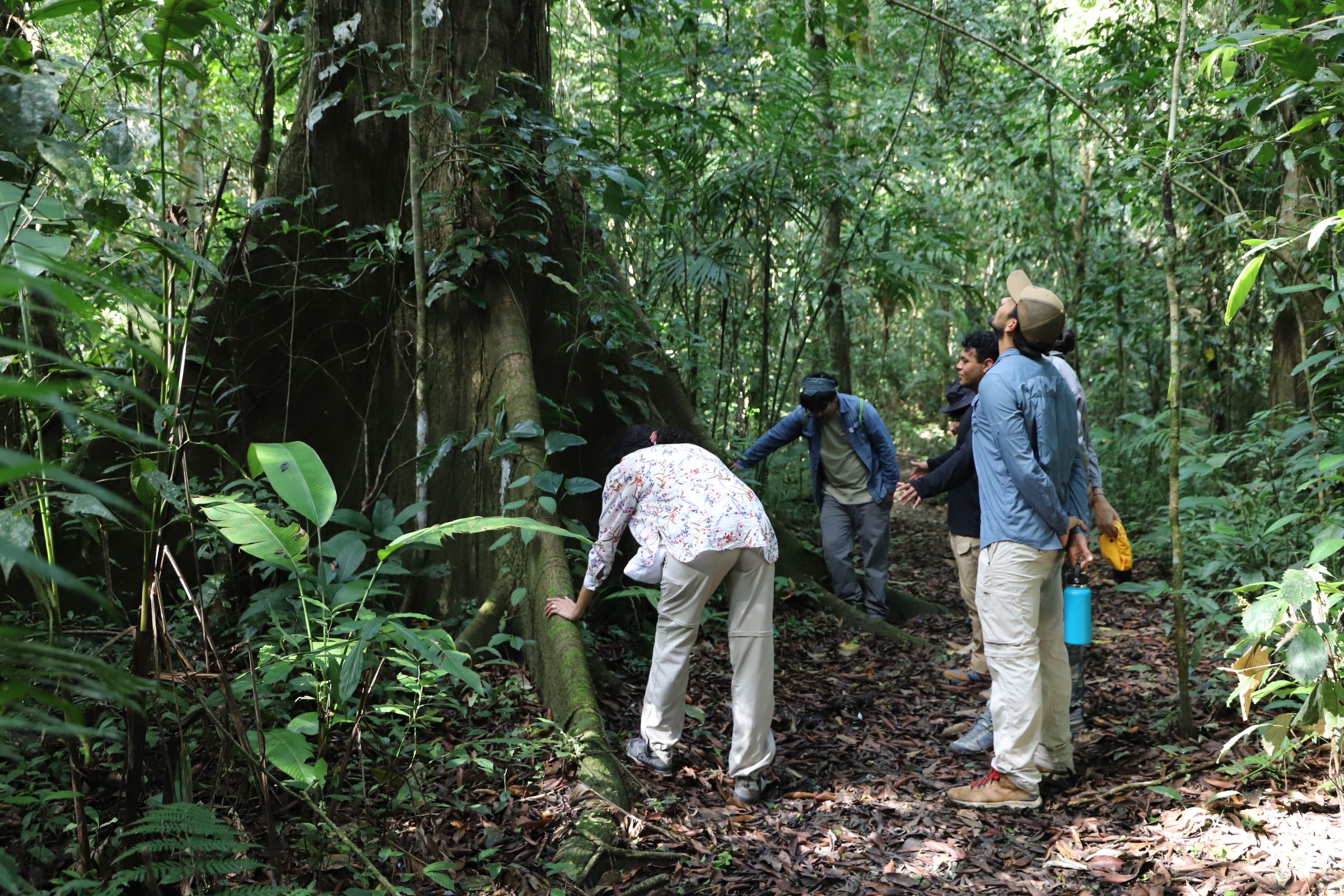
Navigating Implementation Challenges in Mexico’s Payments for Ecosystem Services (PES) Programs
Mexico’s Selva Lacandona, one of the world’s most biodiverse rainforests, contains some of the largest and best-preserved remnants of lower montane rainforest in Mexico and Central America. For nearly 20 years, Natura y Ecosistemas has worked with local communities to conserve forests and sustain ecosystem services through Mexico’s national Payment for Ecosystem Services (PES) programme.…
-
Indigenous land-based stewardship from local to global scales
This project aims to quantitatively explore the role of Indigenous Peoples in defending their territories in the face of rapidly expanding commodity and extractive frontiers. This will be done by: (1) assessing emerging threats to Indigenous land-based stewardship across scales, as well as the factors shaping success in Indigenous Peoples’ resistance movements against commodity and…
-
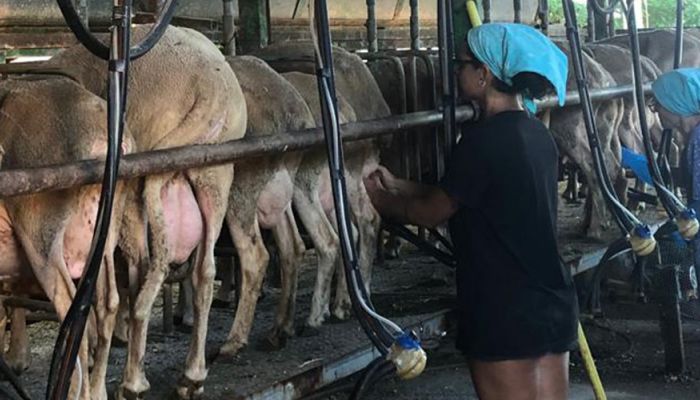
Collaborative conservation and coexistence with wolves through a feminist political ecology lens
The recovery of wolves across Europe’s rural landscapes is occurring alongside a deep crisis in the livestock breeding sector. Stalling sale prices of meat and dairy products, rising costs of agricultural inputs, reduced subsidies, and volatile climatic conditions are amplifying farmers’ vulnerability to predation and challenging their capacity to adapt to ecological change. While there…
-
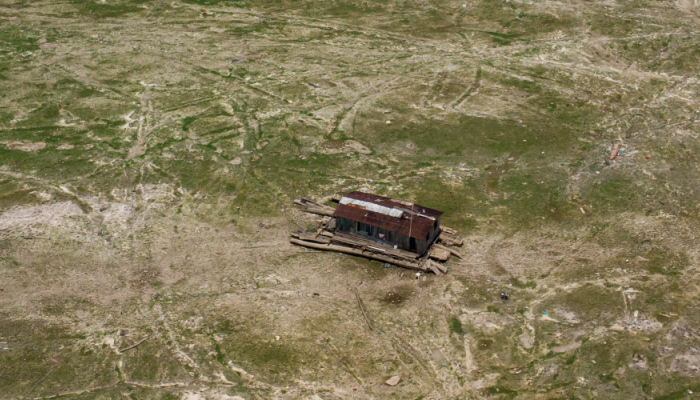
Amazon Droughts
The Amazon is increasingly affected by severe droughts, as seen in the 2023 event, which impacted over half a million people. These droughts, which have intensified since 2005, cause low water levels, fish kills, and disrupt river navigation, isolating rural and Indigenous communities. Studies show that nearly half of the non-Indigenous localities and over 50%…